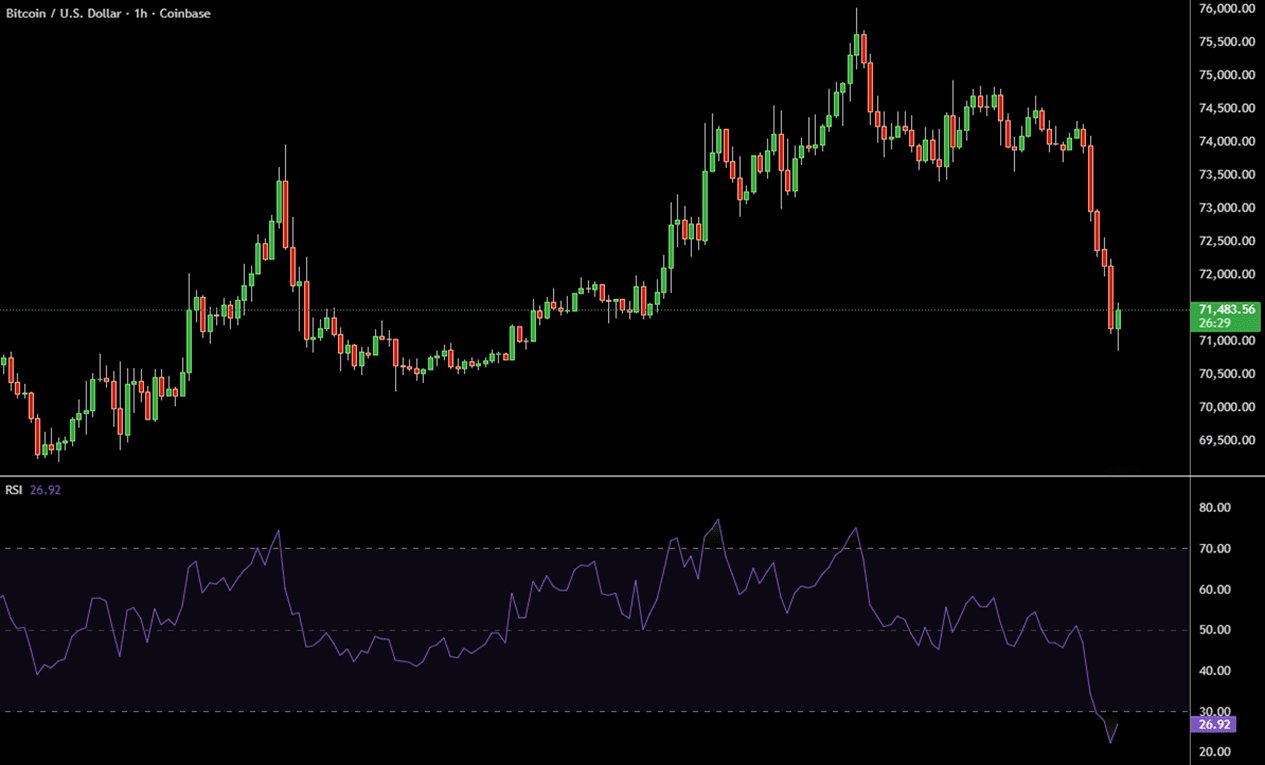
Moving Averages
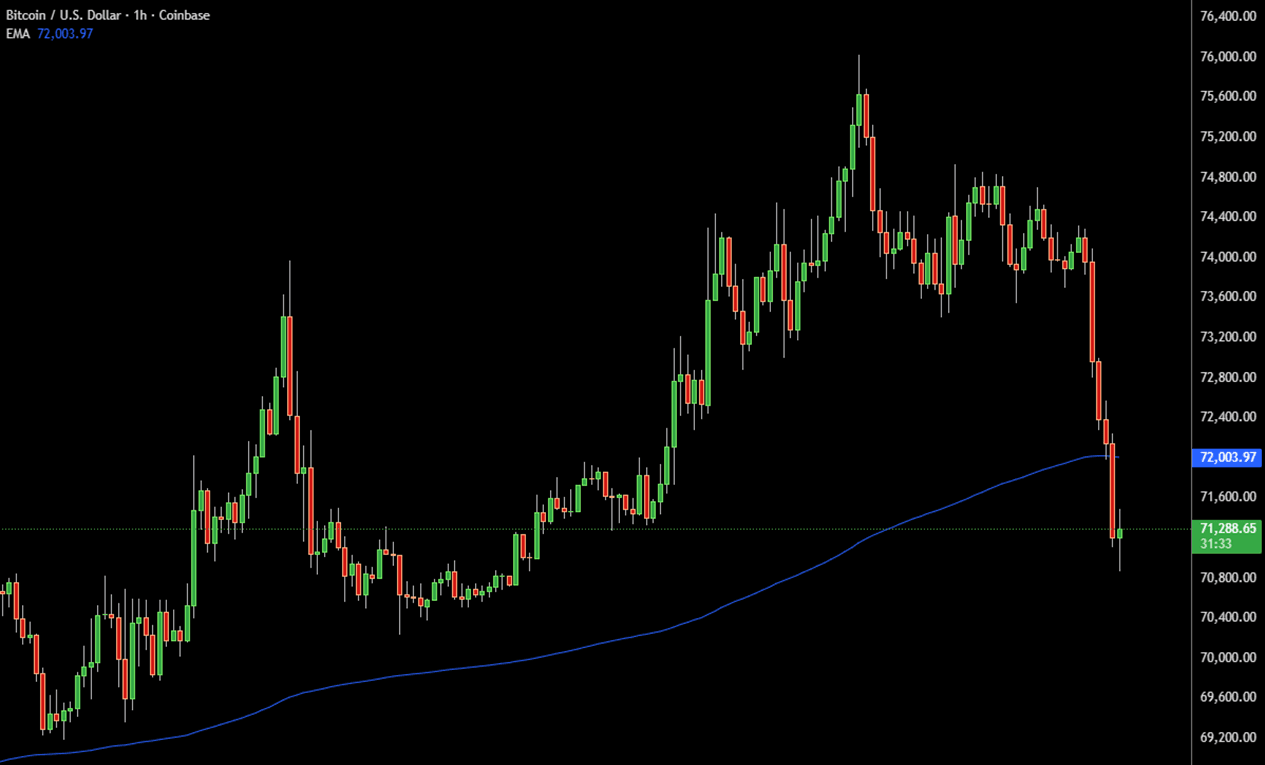
Type: Trend indicator
Best for: Broader direction and trend bias
Strength: Clear trend framing
Limitation: Lag behind price
 Consensus Engine
Moving averages and RSI are both widely used in crypto trading, but they answer different questions. This guide explains what each one helps with, where each one is limited, and why many traders compare both instead of treating them as substitutes.
Moving averages are mainly used to smooth price and track broader direction, while RSI is mainly used to measure momentum and whether a move may be stretched.
Because trend and momentum are different parts of market behavior, many traders use moving averages and RSI together to build a more complete view.
Type: Trend indicator
Best for: Broader direction and trend bias
Strength: Clear trend framing
Limitation: Lag behind price
Type: Momentum oscillator
Best for: Momentum strength and stretch
Strength: Quick momentum context
Limitation: Can stay extreme in strong trends
Moving averages help traders judge whether price is trading with or against a broader directional bias. They are often used for trend context, pullback structure, and directional filtering.
Their main limitation is that they are lagging tools, so they may confirm direction after part of the move has already taken place.
RSI helps traders evaluate whether momentum is strengthening, weakening, or becoming stretched. It is commonly used for overbought and oversold context, divergence, and momentum fade.
Its limitation is that strong trending markets can keep RSI elevated or depressed longer than a trader might expect, so extreme readings alone are not enough.
There is no universal winner because each tool serves a different purpose. Moving averages are often better for broader trend framing, while RSI is often better for momentum context inside that trend.
That is why many traders do not treat it as moving averages versus RSI in a strict sense. Instead, they compare both and ask whether momentum agrees with the broader direction.
Using both can help reduce incomplete readings. Moving averages may show the prevailing direction, while RSI may show whether momentum still supports that direction or is becoming stretched.
When trend context and momentum context agree, traders usually get a clearer read than they would from one tool alone. For a broader workflow, see how to combine crypto indicators, review the crypto consensus indicator, or explore the crypto indicator dashboard.
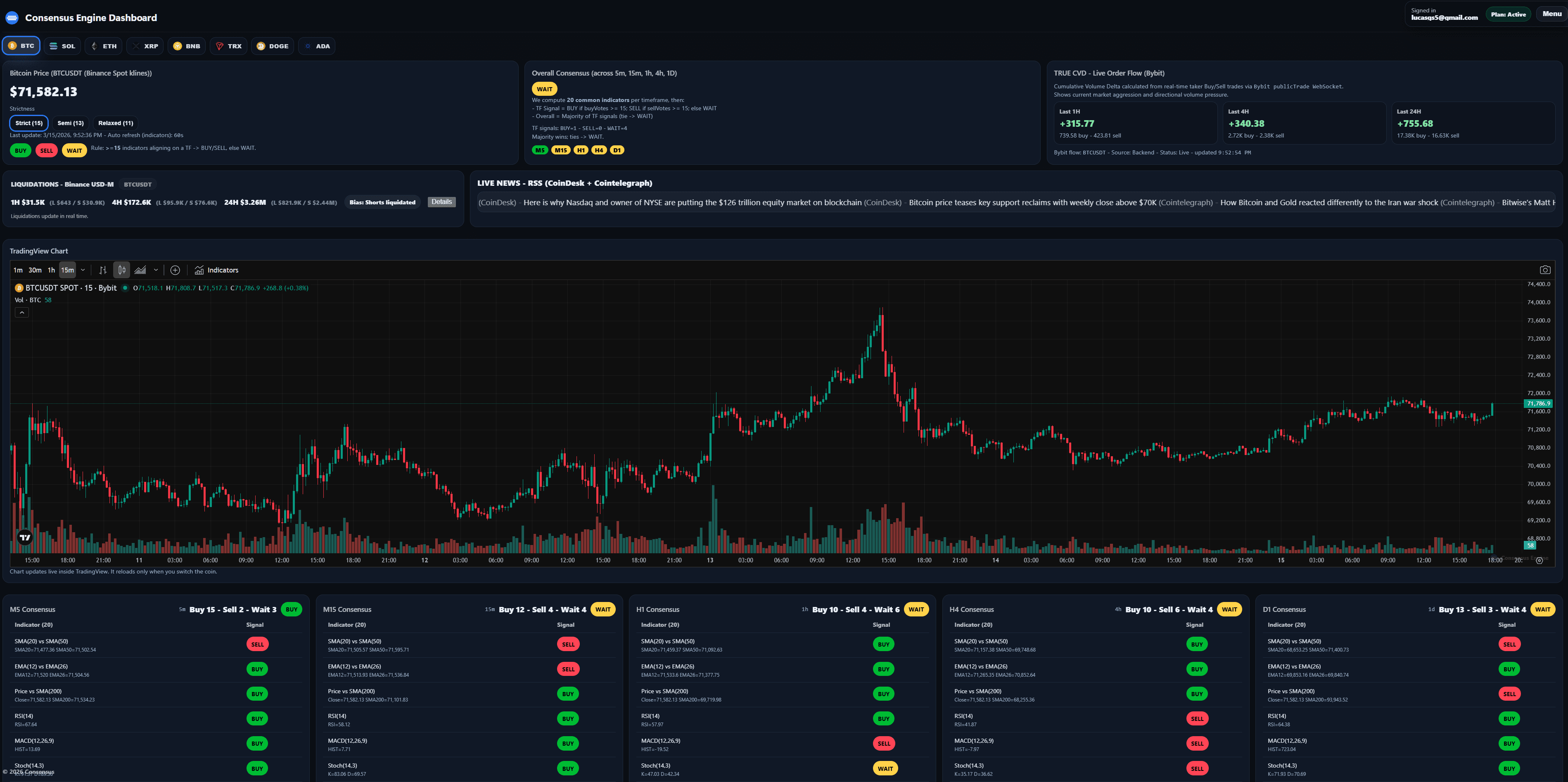
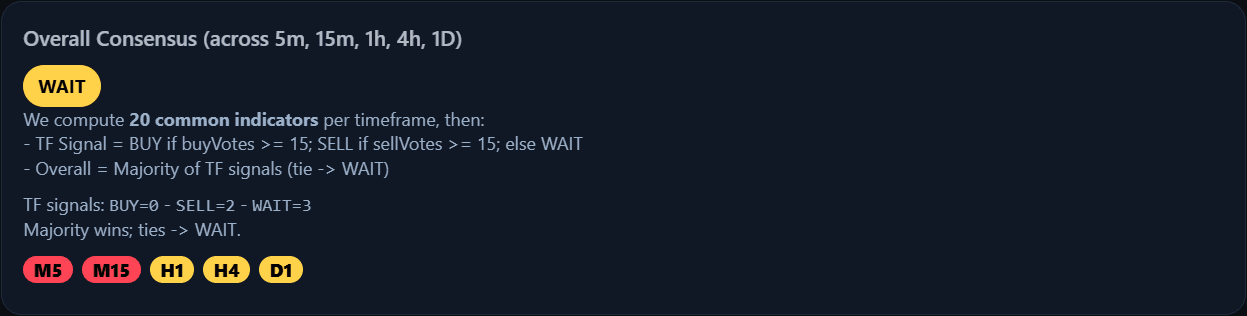
Consensus Engine is built for this exact problem. Instead of forcing traders to compare moving averages, RSI, and other indicator readings one by one, the dashboard organizes 20 indicators across 5 timeframes into one structured market view.
That makes it easier to judge whether momentum agrees with trend without jumping between multiple charts and tools.
Keep different signal types together so agreement, conflict, and confirmation are easier to read.
Compare short-term movement with broader structure across M5, M15, H1, H4, and D1 in one workflow.
Use TRUE CVD when you want another read on whether participation is supporting the move.

Neither is universally better. Moving averages are usually more useful for trend direction, while RSI is usually more useful for momentum context.
Yes. Many traders use moving averages for broader direction and RSI for momentum confirmation or stretch.
RSI usually reacts faster to momentum changes, while moving averages are designed to smooth price and respond more slowly.
Yes. The Quick Preview shows a limited blurred view with a short live preview of the selected crypto.
Consensus Engine helps traders organize moving averages, RSI, and other indicator readings into one clean dashboard.
Start with the broader guide to indicator categories, use cases, and limitations.
Review the indicator types traders compare most often when building a market view.
See how traders use different indicator roles together instead of relying on one isolated reading.
Learn how Consensus Engine summarizes multiple technical readings into a structured view.
Explore the main product guide for the dashboard that organizes alignment across indicators and timeframes.