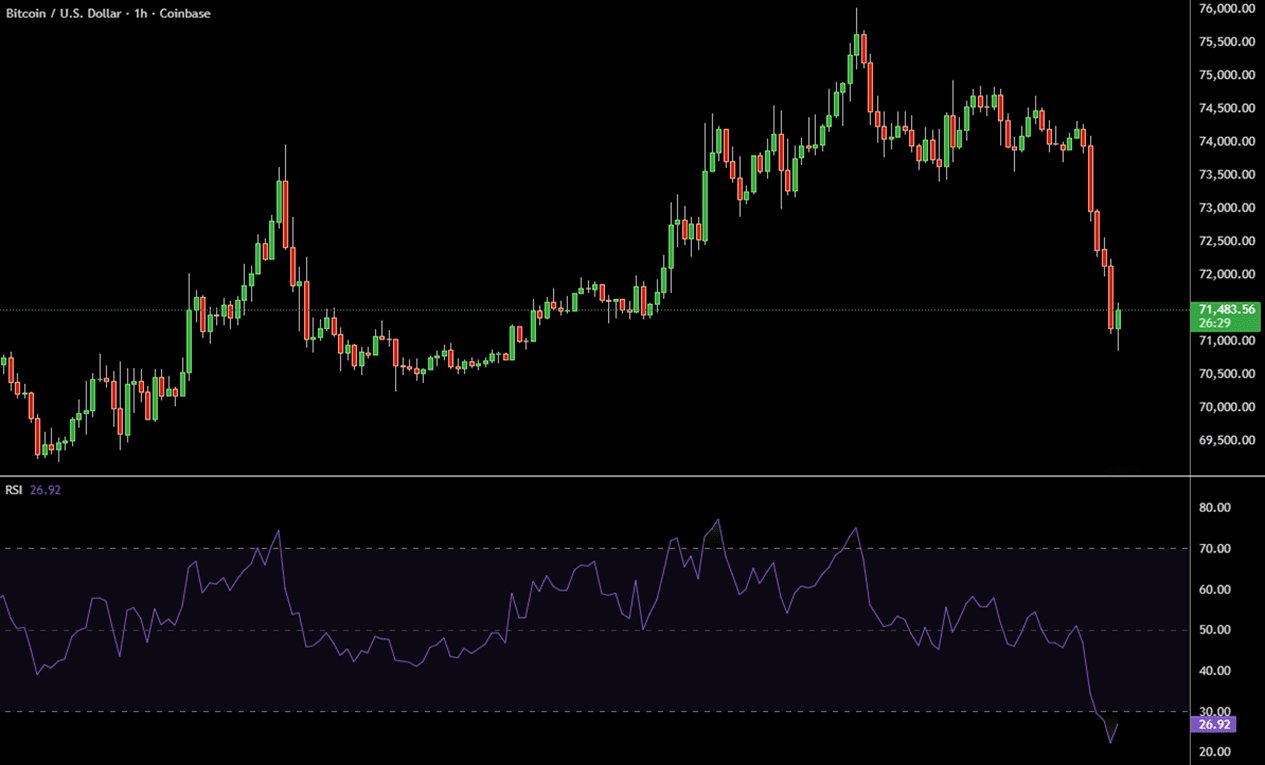
RSI
RSI, or Relative Strength Index, is a momentum oscillator traders use to measure momentum and identify overbought or oversold conditions in crypto trading.
 Consensus Engine
This library brings the full indicator ecosystem into one place so traders can move between momentum, trend, volatility, and participation guides without losing context. Use it as the main internal hub for individual indicator definitions, related tools, and the pages that support broader topical authority.
Start with an individual guide, continue to the broader crypto indicators page, and keep the product path visible through the crypto indicator dashboard.
RSI, or Relative Strength Index, is a momentum oscillator traders use to measure momentum and identify overbought or oversold conditions in crypto trading.
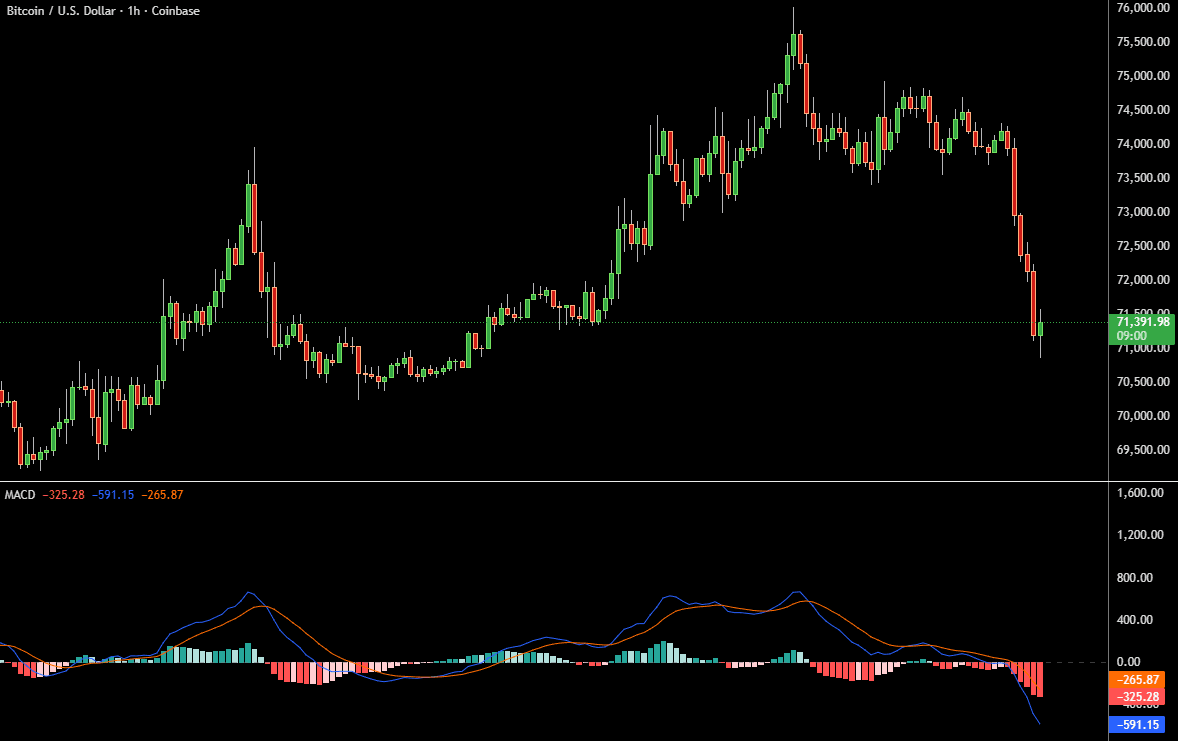
MACD is a trend and momentum indicator used to track directional shifts, momentum transitions, and broader confirmation.
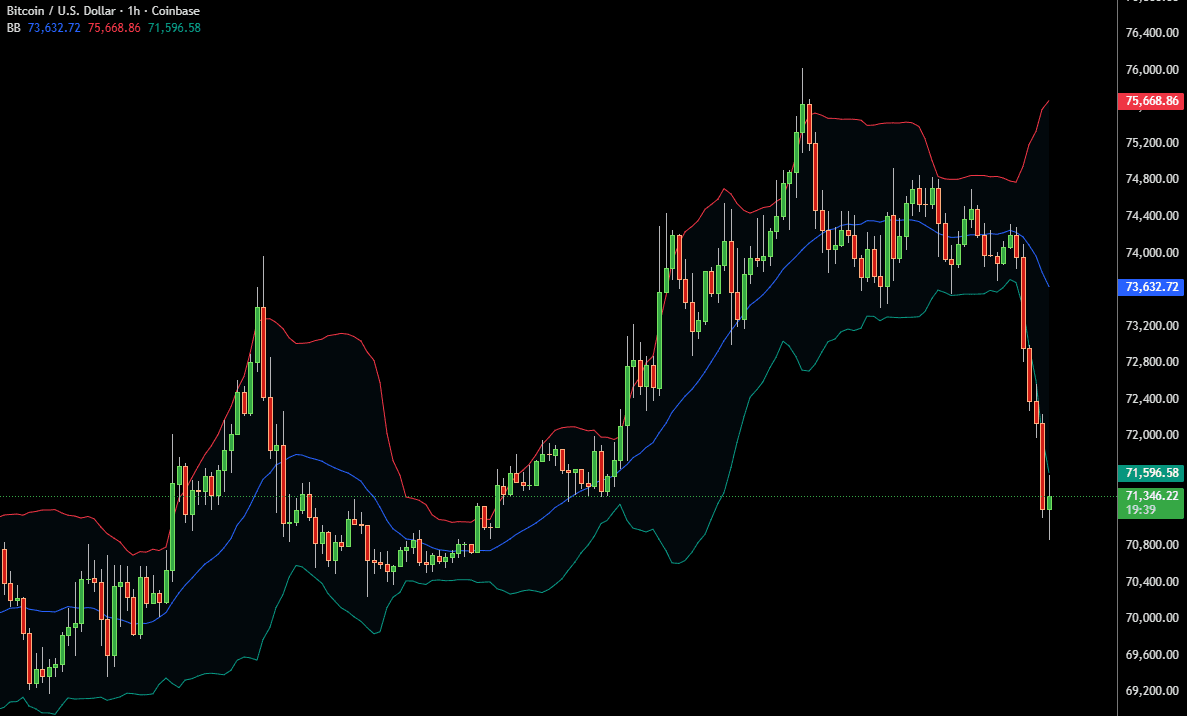
Bollinger Bands are volatility bands used to judge expansion, contraction, and relative price position around a moving average.
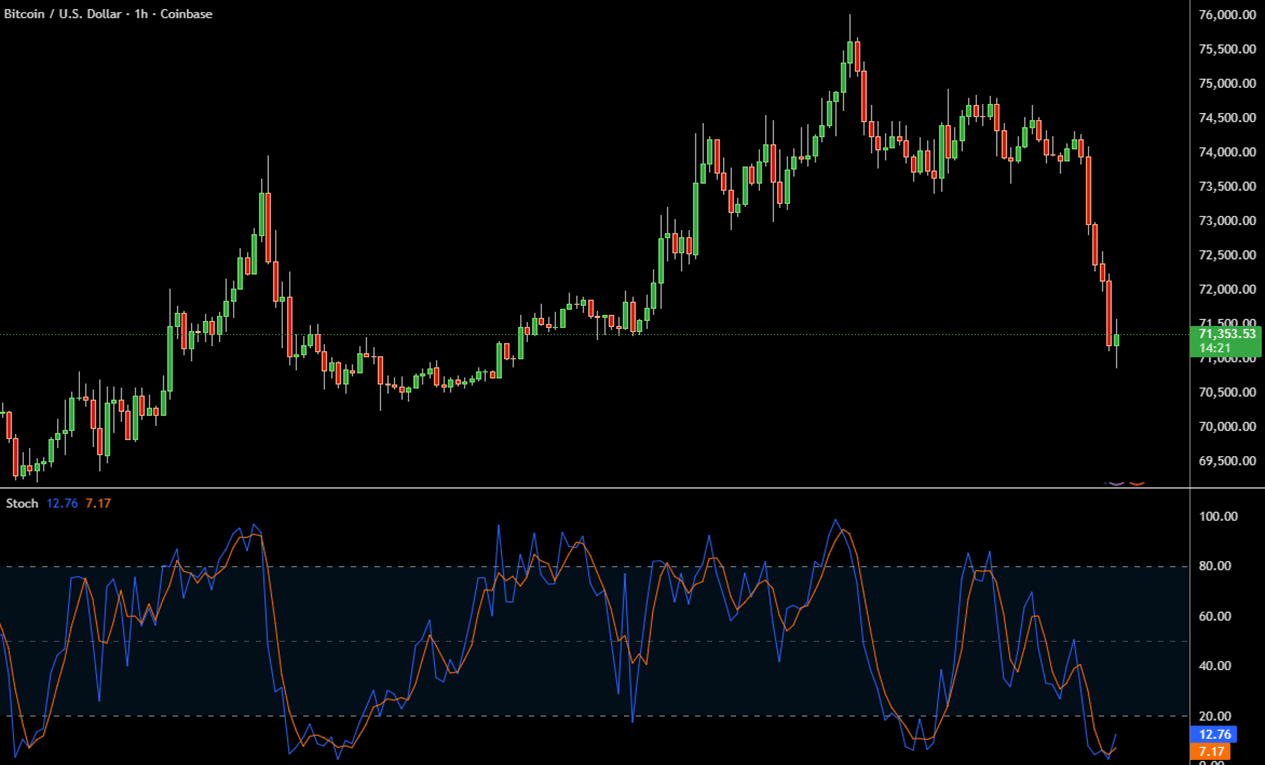
Stochastic RSI is a more sensitive oscillator derived from RSI, often used for short-term momentum swings.
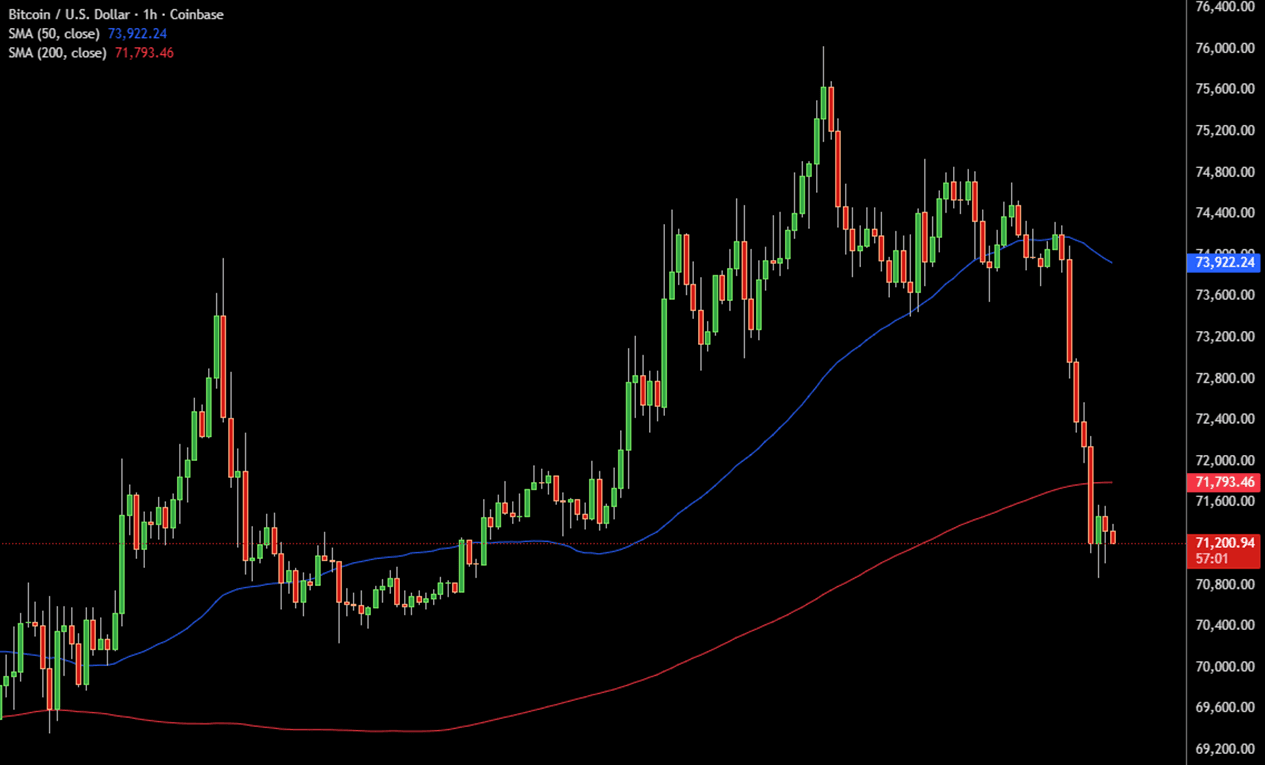
Moving averages smooth price data and help traders judge broader direction, trend bias, and structure.
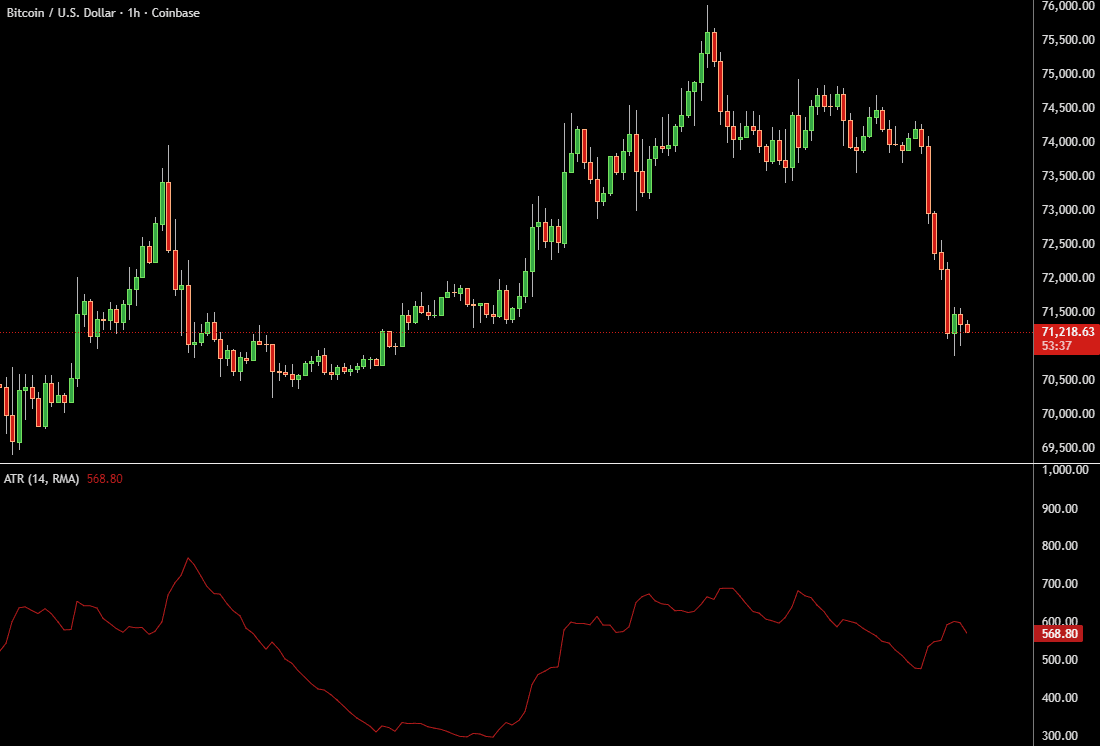
ATR, or Average True Range, is a volatility indicator used to estimate how much price typically moves over a period.
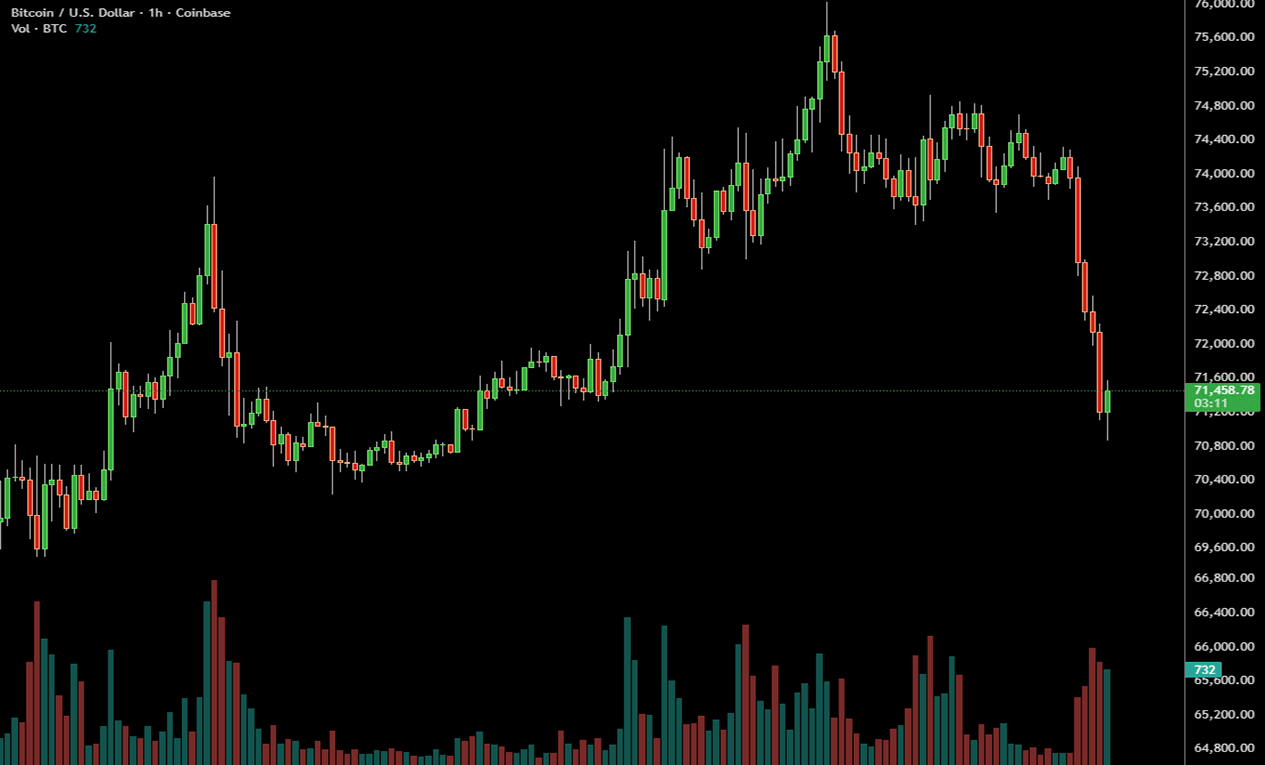
Volume measures market activity and is often used to judge whether a move is supported by participation.
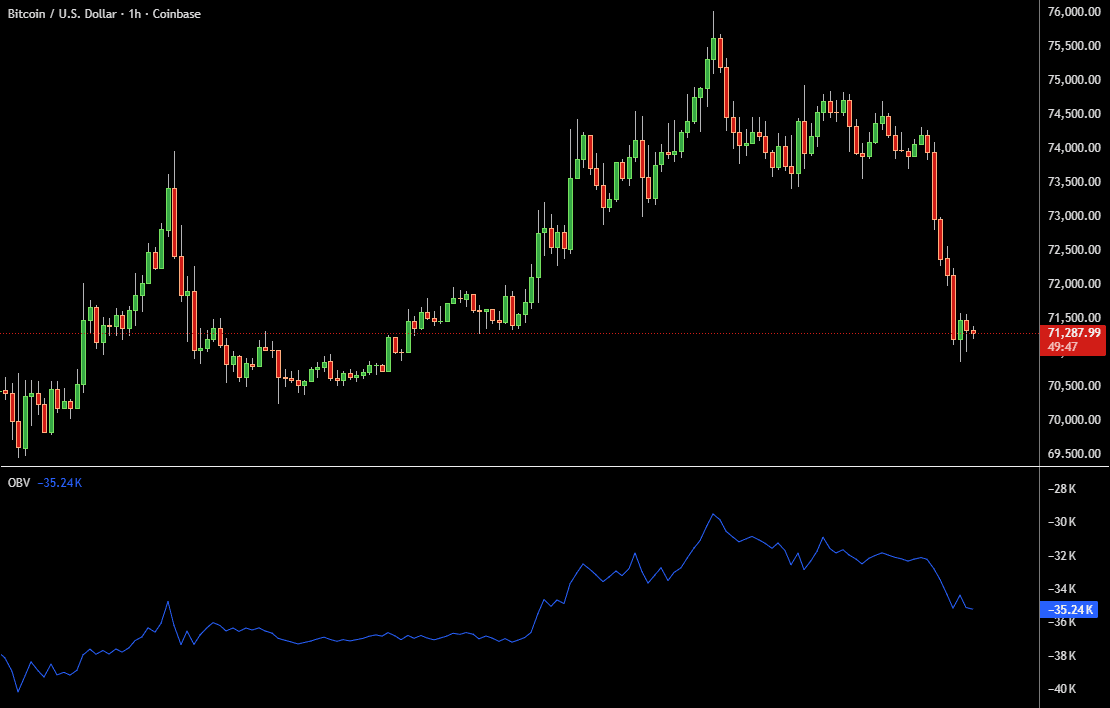
OBV, or On-Balance Volume, is a cumulative volume indicator used to compare participation flow with price movement.
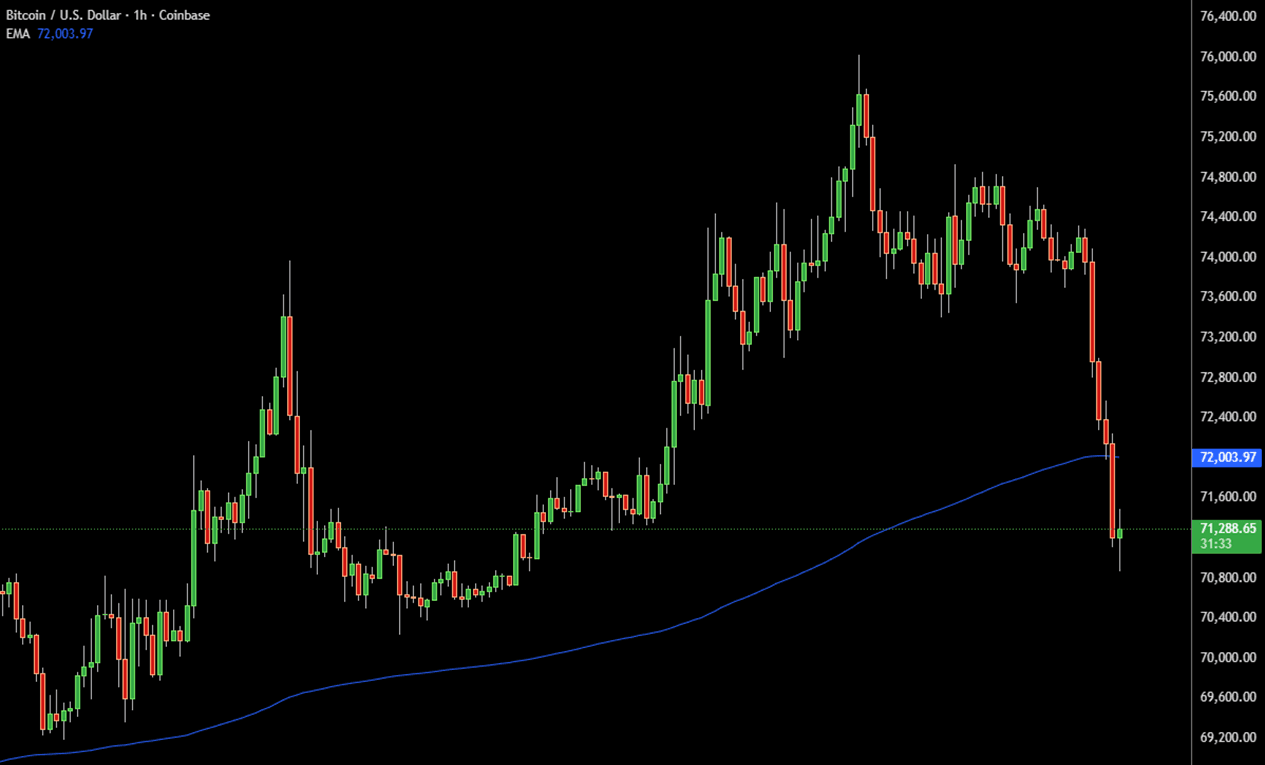
EMA, or Exponential Moving Average, is a moving average that reacts faster to recent price changes than SMA.
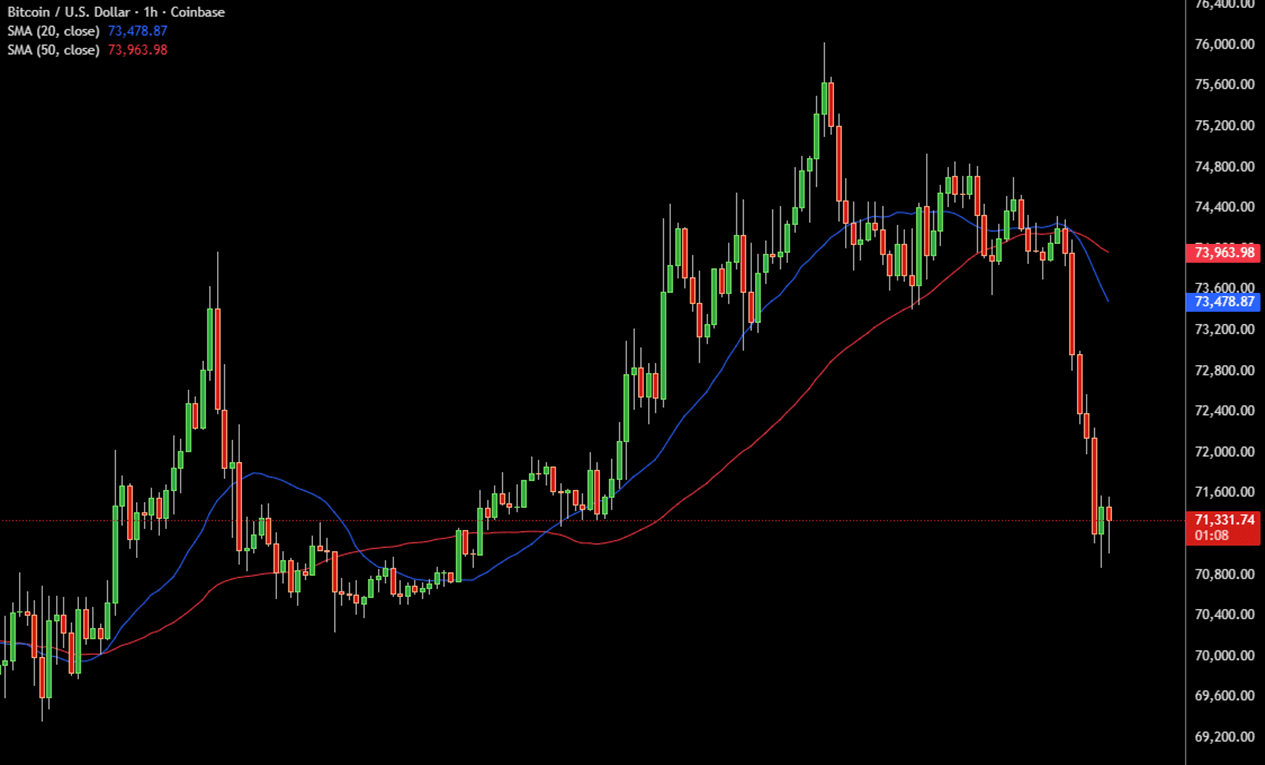
SMA, or Simple Moving Average, is a smoothing tool used to frame broader direction and reduce short-term price noise.
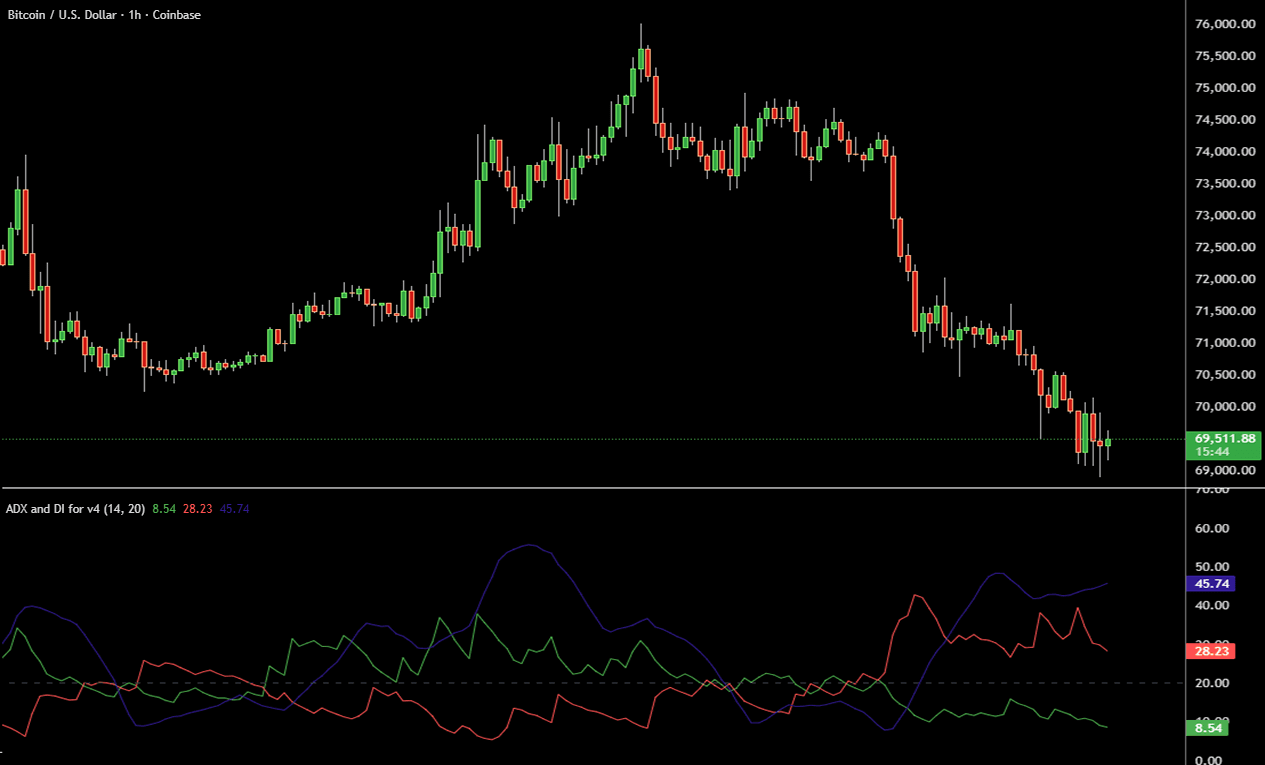
ADX, or Average Directional Index, measures trend strength in crypto markets without telling traders whether the trend is up or down.
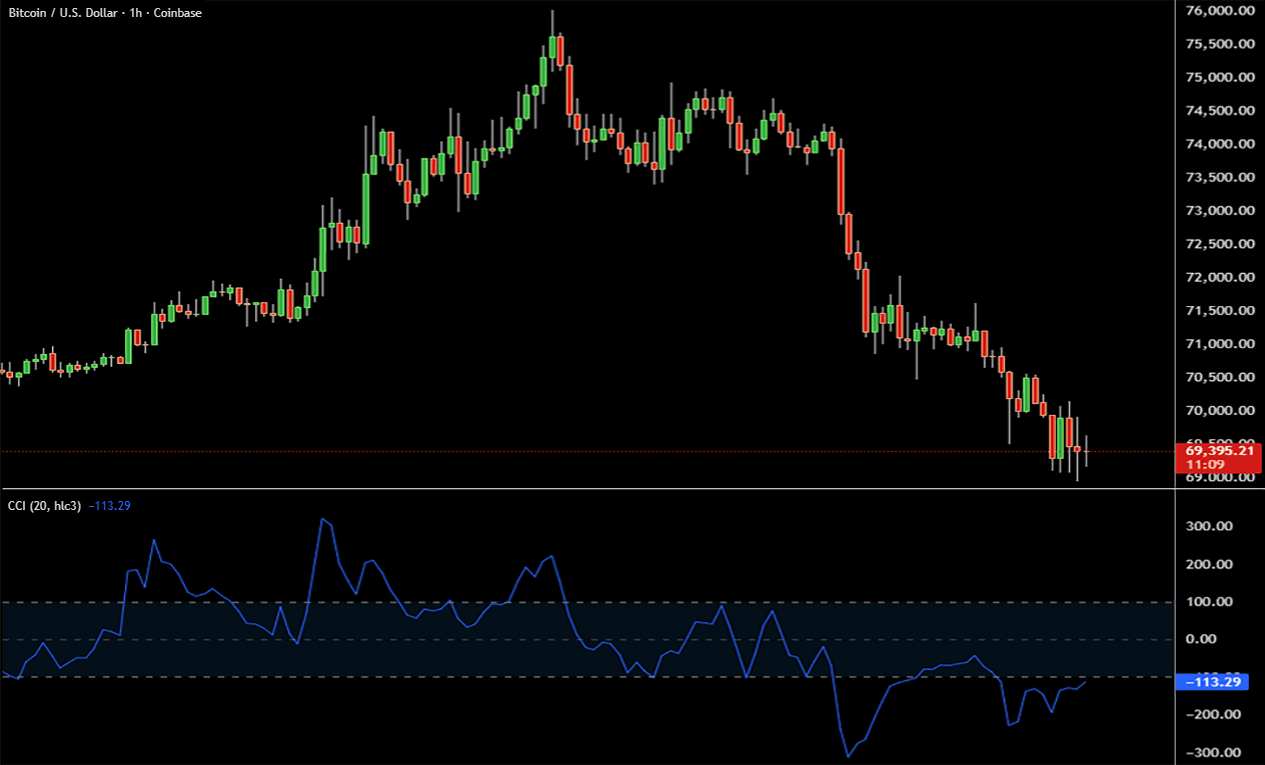
CCI, or Commodity Channel Index, measures how far price has moved away from its recent average to help traders judge momentum and potential extremes.
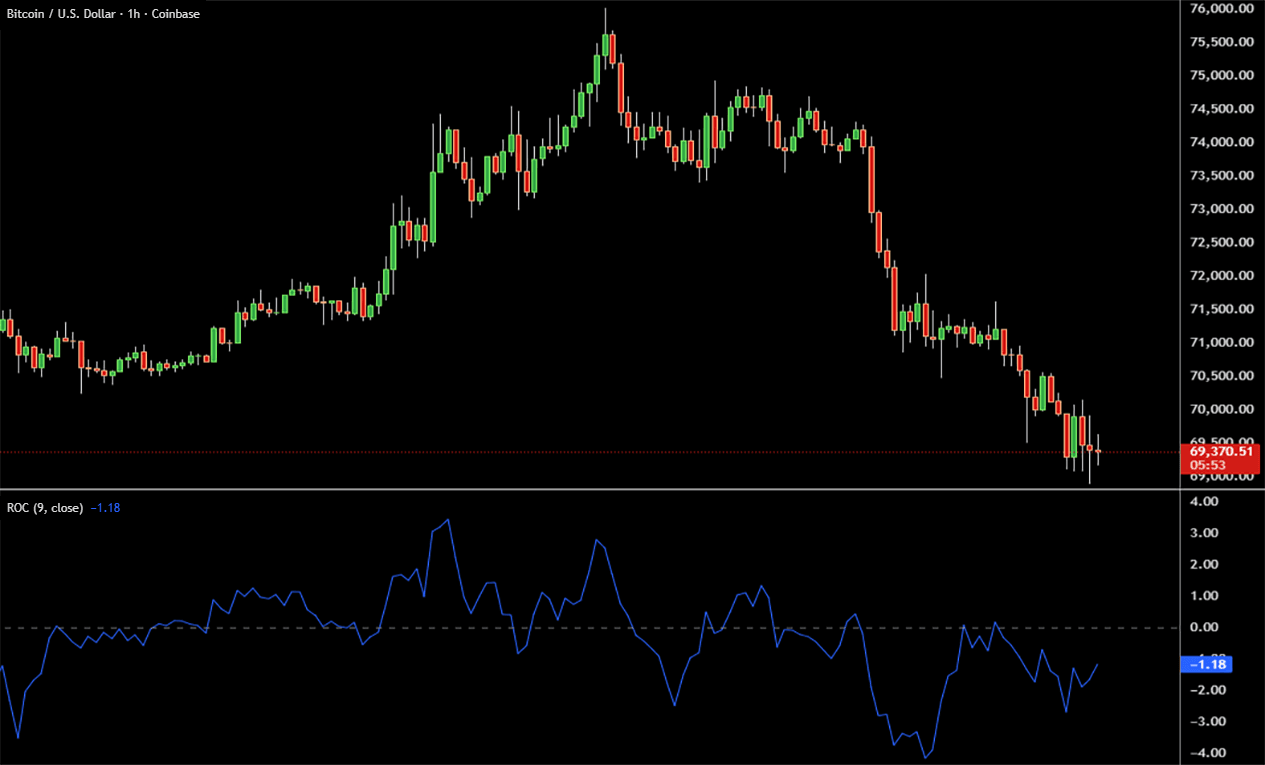
ROC, or Rate of Change, measures how quickly price is changing over time so traders can track momentum acceleration and deceleration.
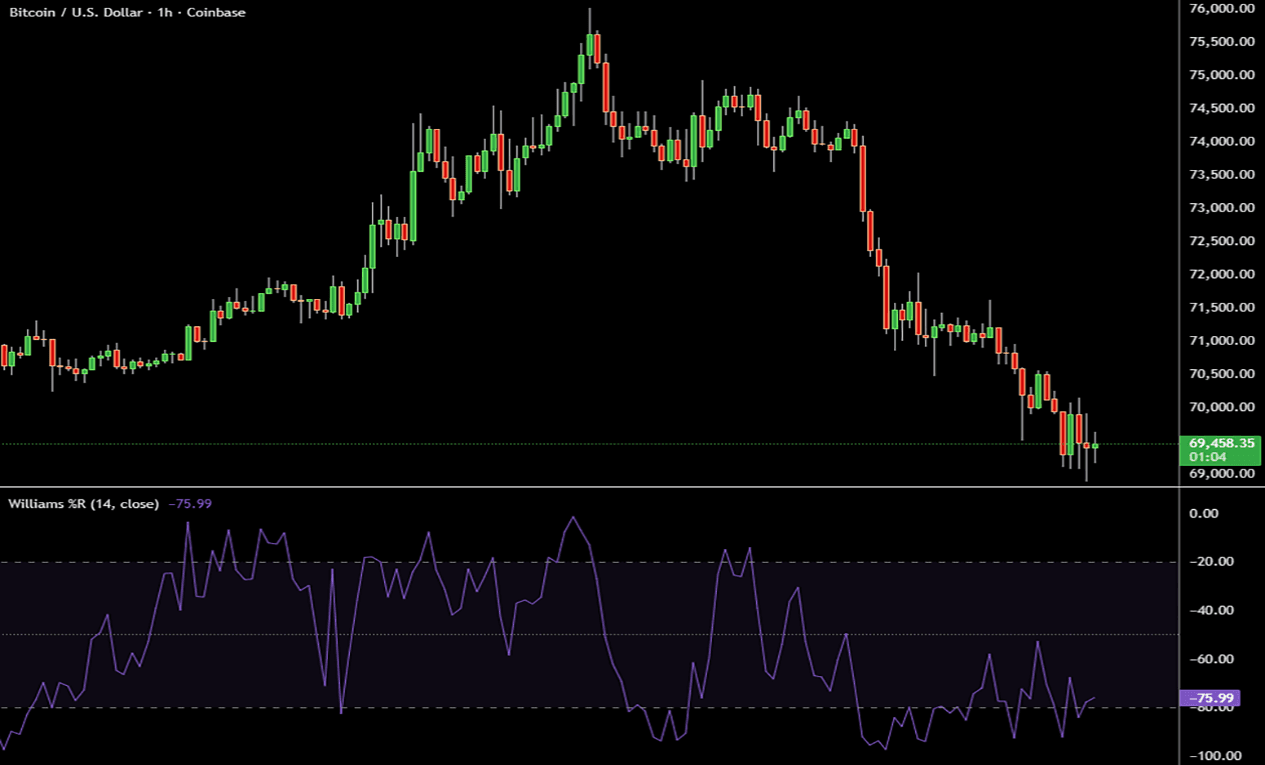
Williams %R is a momentum oscillator used to show where price sits within its recent range, helping traders judge overbought and oversold conditions.
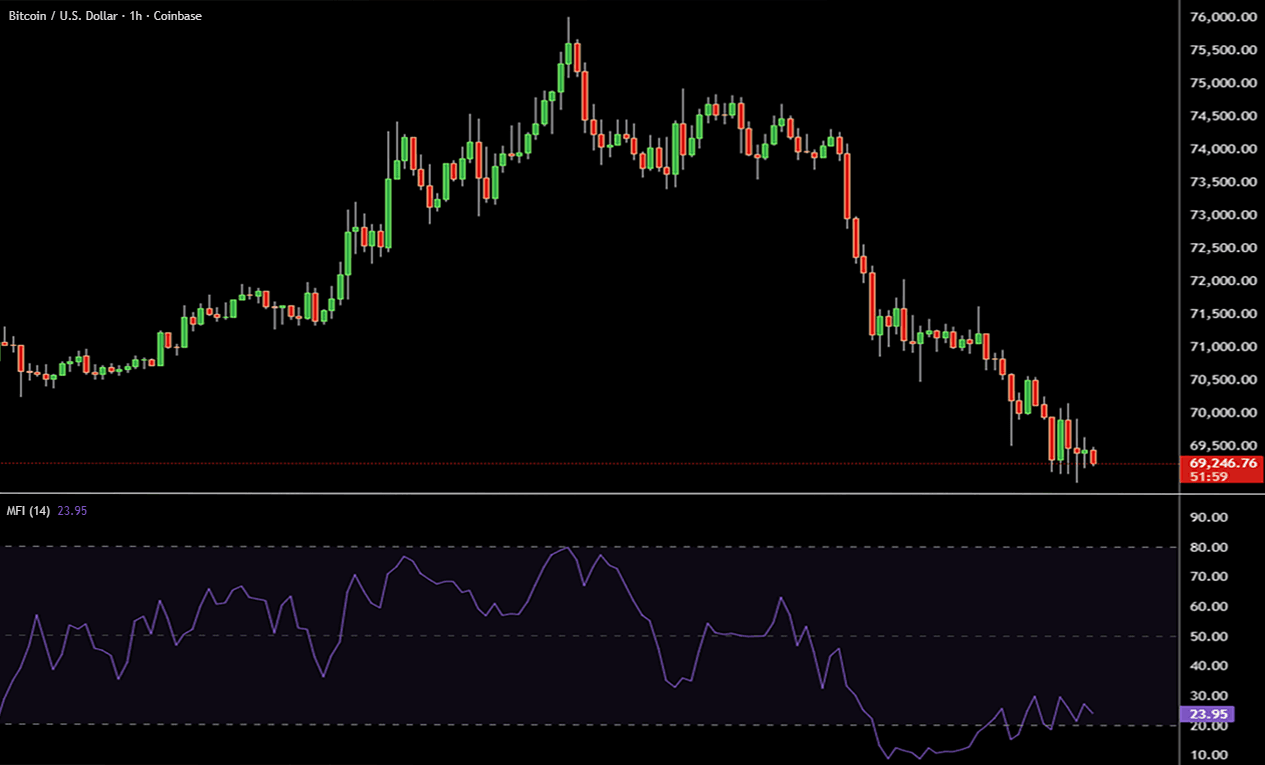
MFI, or Money Flow Index, is a momentum oscillator that blends price movement with volume-style money flow input to help traders judge strength and extremes.
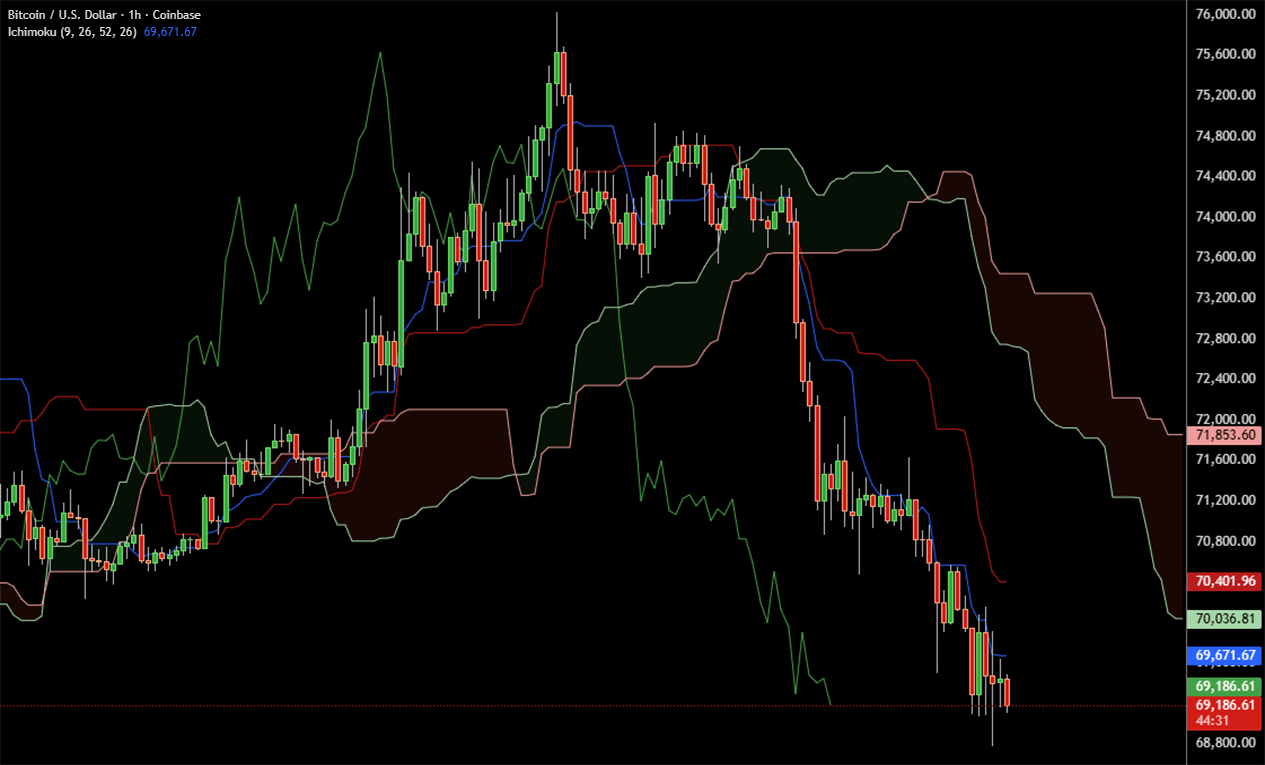
Ichimoku is a multi-part trend indicator that helps traders read direction, support and resistance, and broader market context through its cloud structure.
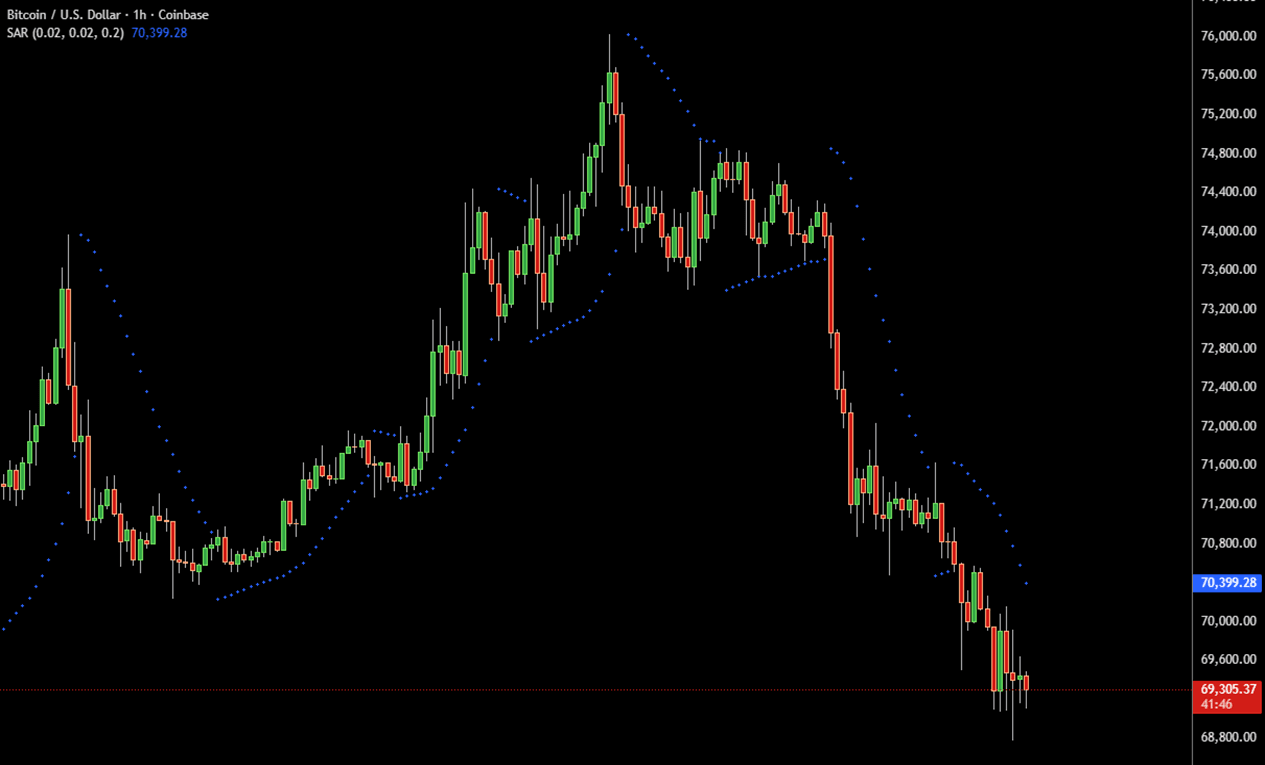
Parabolic SAR is a trend-following indicator that places trailing dots around price to help traders track trend direction and stop-and-reversal style logic.
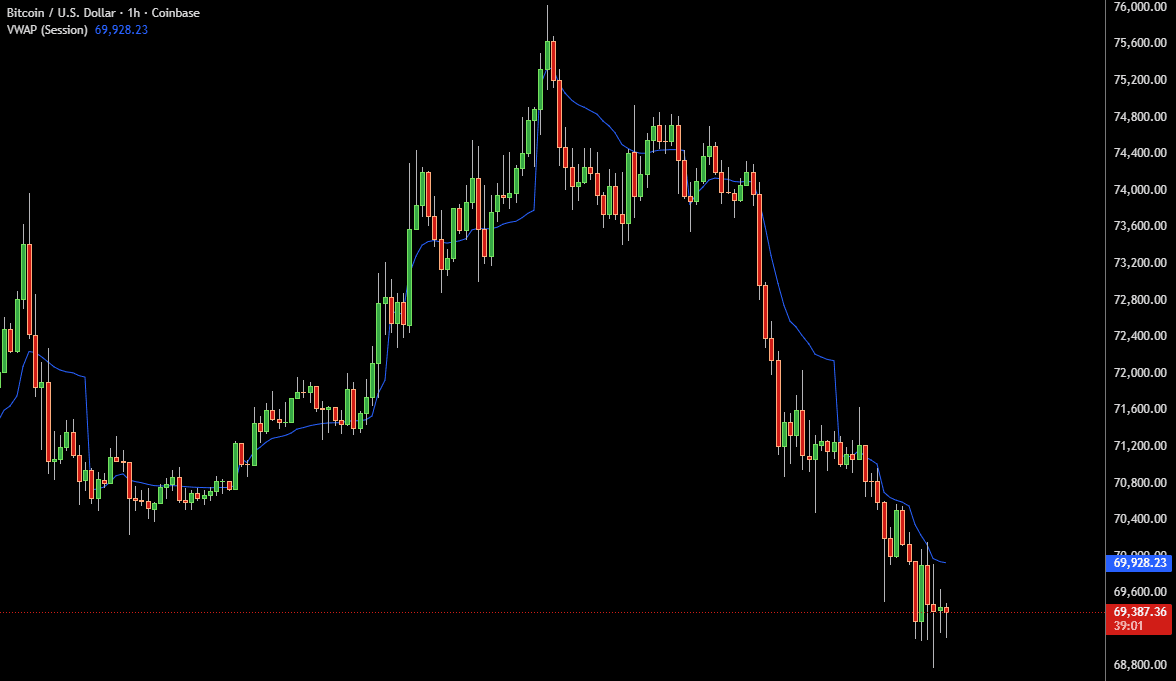
VWAP, or Volume Weighted Average Price, tracks the average traded price weighted by volume and is often used as an intraday fair-value reference.
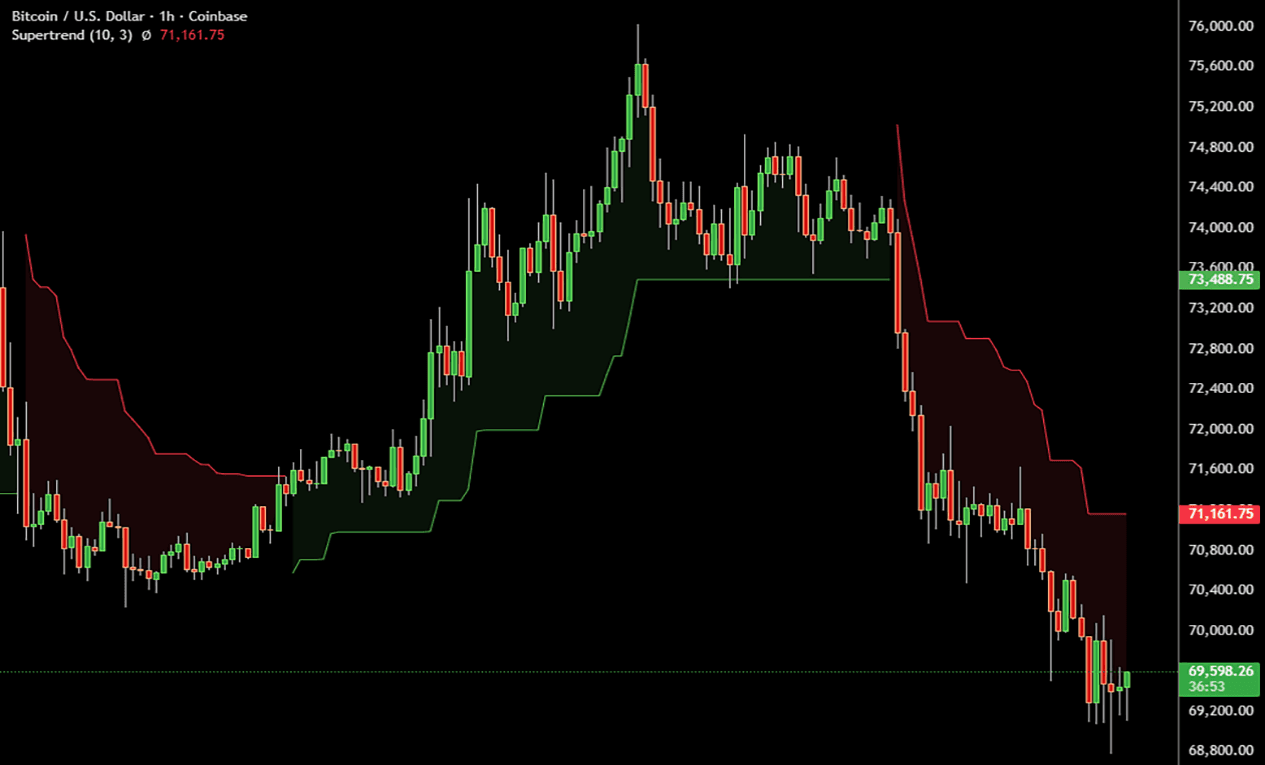
Supertrend is an ATR-based trend-following overlay that helps traders read directional bias and trailing trend logic directly on the chart.
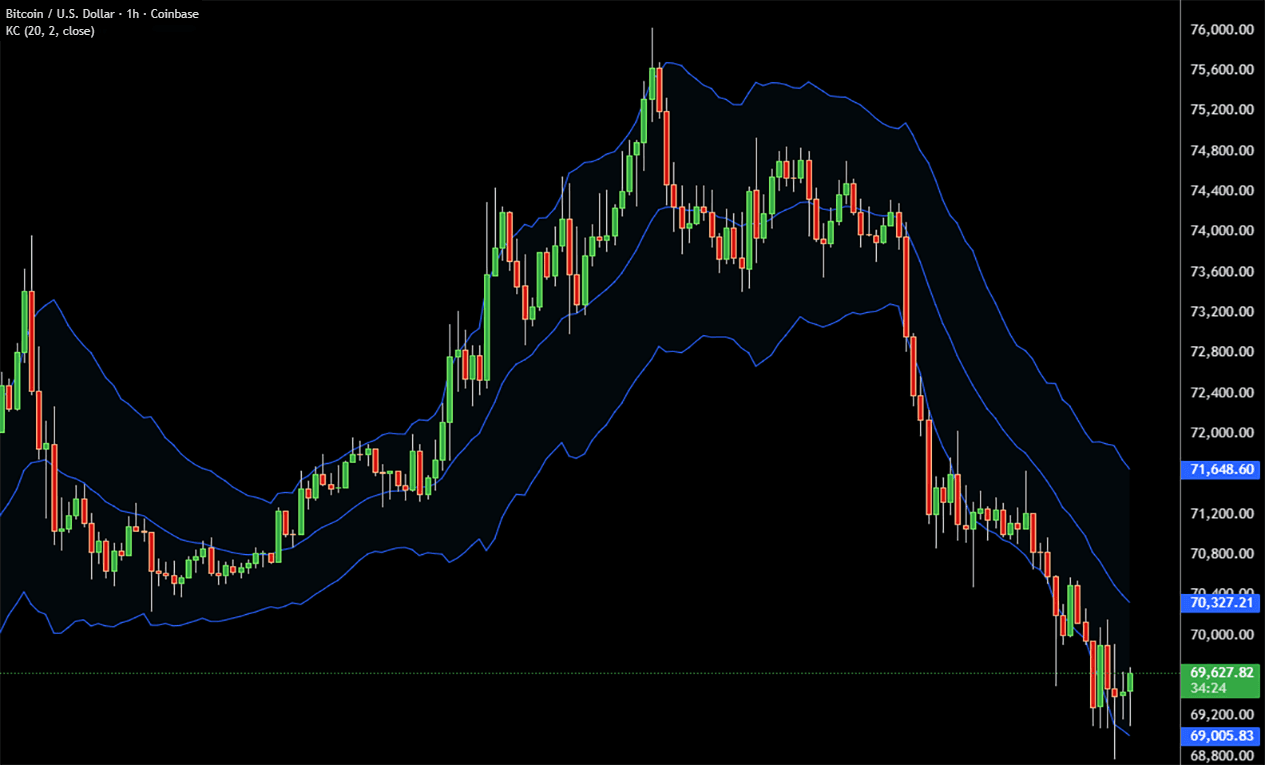
Keltner Channels are ATR-based volatility bands around price that help traders frame trend continuation, pullbacks, and possible reversion zones.
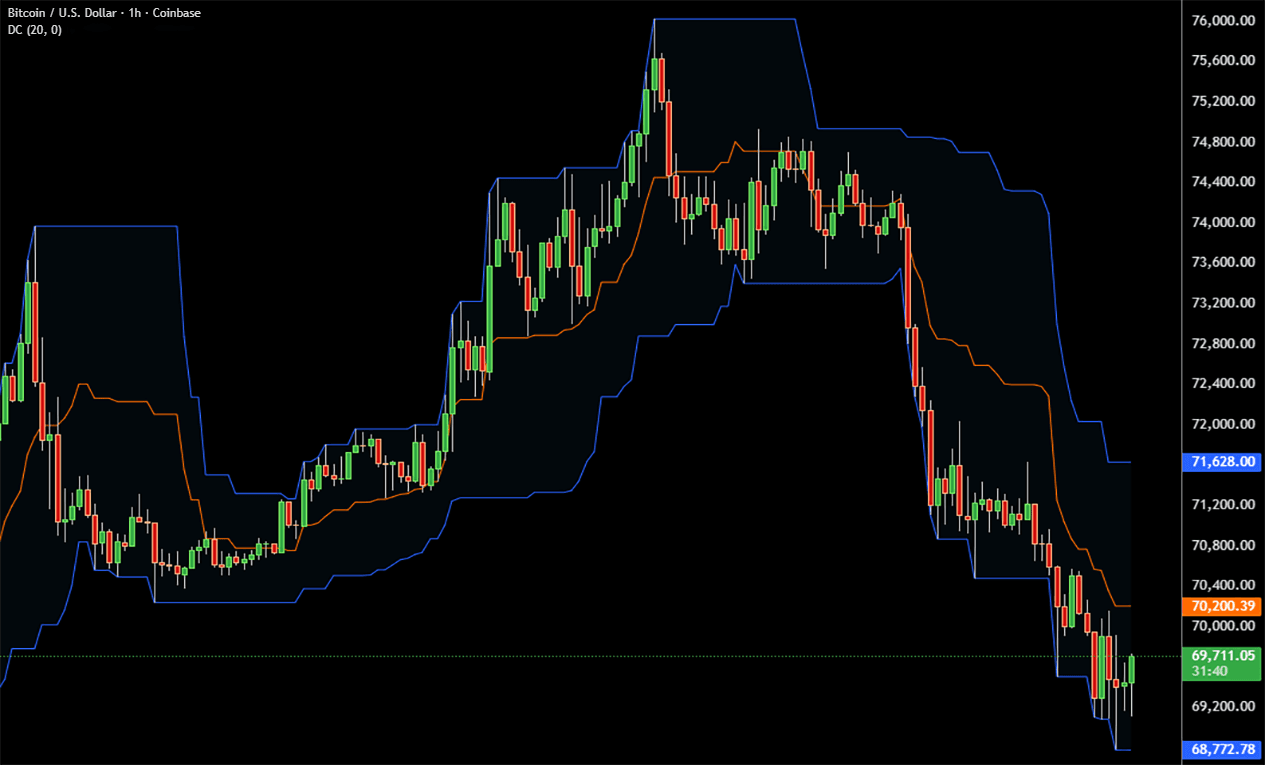
Donchian Channels plot the highest high and lowest low over a lookback period to help traders frame breakout boundaries and range expansion.