This guide explains how crypto indicators work and why traders combine them, rather than ranking individual tools.
Instead of treating indicators as a simple best-to-worst list, it focuses on the four main categories traders actually use: trend, momentum, volatility, and participation. If you want the more actionable ranking-style version, see the best crypto trading indicators guide.
No single indicator works perfectly in every market condition. Trend tools, momentum tools, volatility tools, and participation signals each reveal a different part of the picture.
Because of that, many traders look for agreement across multiple indicators before acting. The goal is not to collect more noise, but to organize signals in a way that makes market alignment easier to read. A structured crypto indicator dashboard is one way to do that. For a broader directory of individual tools, start with crypto indicators.
Indicator
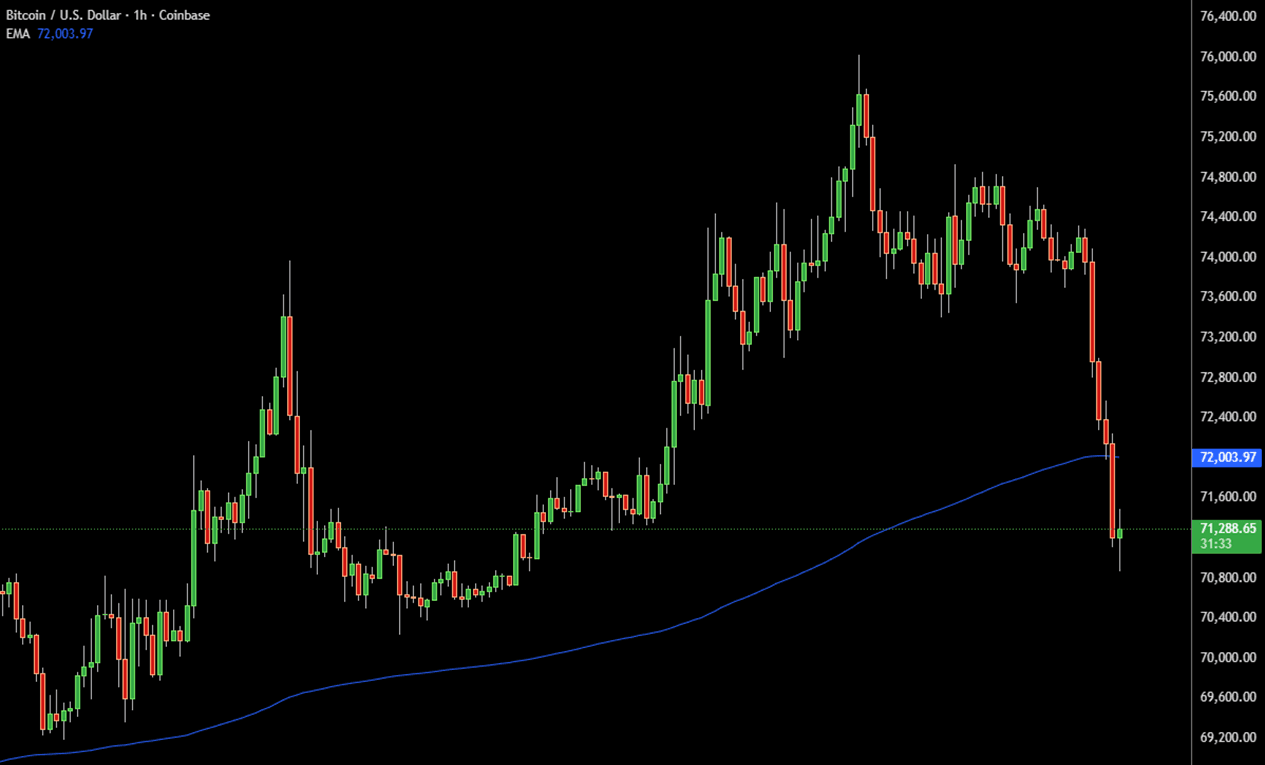
Trend indicators
What it is: Trend indicators help traders define market direction before they think about timing. In crypto, this usually means deciding whether price is broadly trending higher, trending lower, or moving sideways.
What it helps with: They help answer whether a setup is working with the broader market structure or trying to fight it. Traders often start with moving averages, EMA, SMA, Ichimoku, or Supertrend before layering in faster tools.
One limitation: Most trend tools are lagging. They improve directional context, but they usually react after a move is underway rather than predicting the first turn.
Indicator
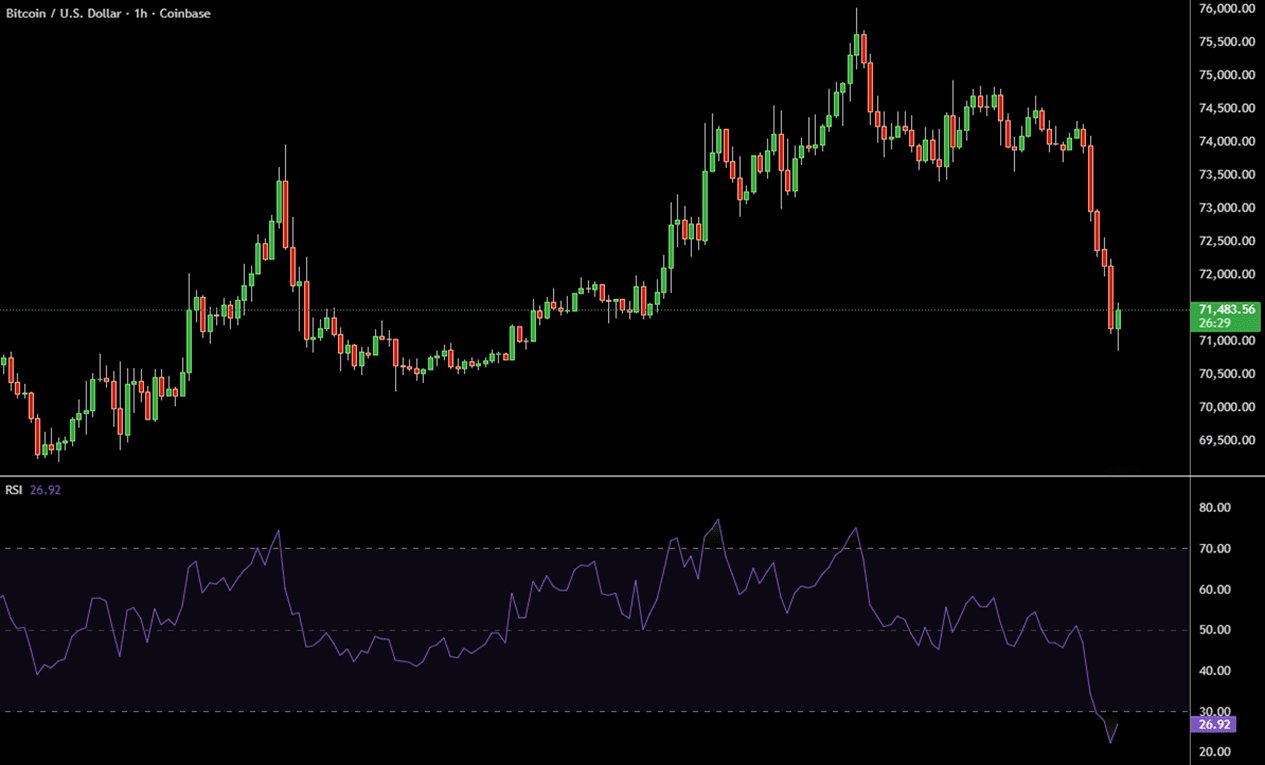
Momentum indicators
What it is: Momentum indicators measure the strength and speed behind price movement. They help traders judge whether a trend is accelerating, fading, or becoming stretched after a fast move.
What it helps with: They help show whether a trend still has force behind it. RSI, MACD, Stochastic RSI, ROC, and CCI are common ways to track whether momentum confirms or weakens the broader move.
One limitation: Momentum can stay overbought, oversold, or elevated for longer than expected in strong trends, so these tools work better with directional context than in isolation.
Indicator
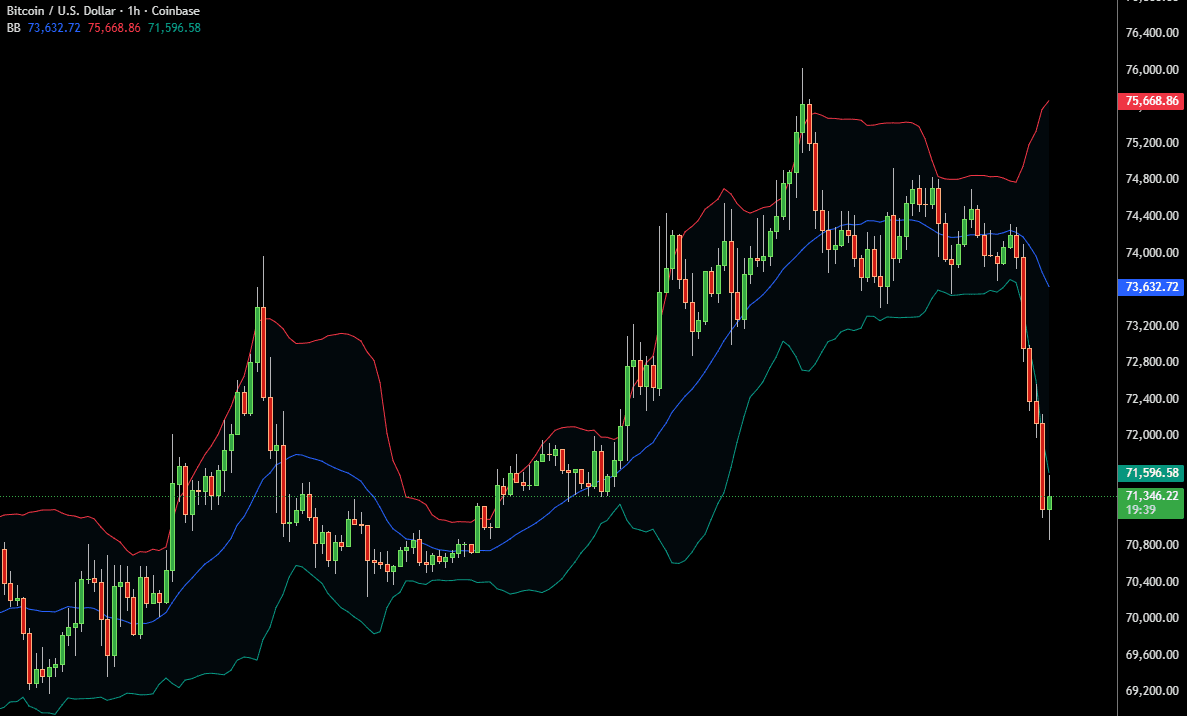
Volatility indicators
What it is: Volatility indicators track expansion and contraction. Instead of showing direction on their own, they help traders understand whether price conditions are tightening, breaking out, or becoming unstable.
What it helps with: They help frame the environment around a setup. Bollinger Bands, ATR, Keltner Channels, and Donchian Channels can show whether price is compressing before a move or expanding after one.
One limitation: Volatility tools do not automatically tell traders which direction to trade. They are strongest when paired with trend and momentum context.
Indicator
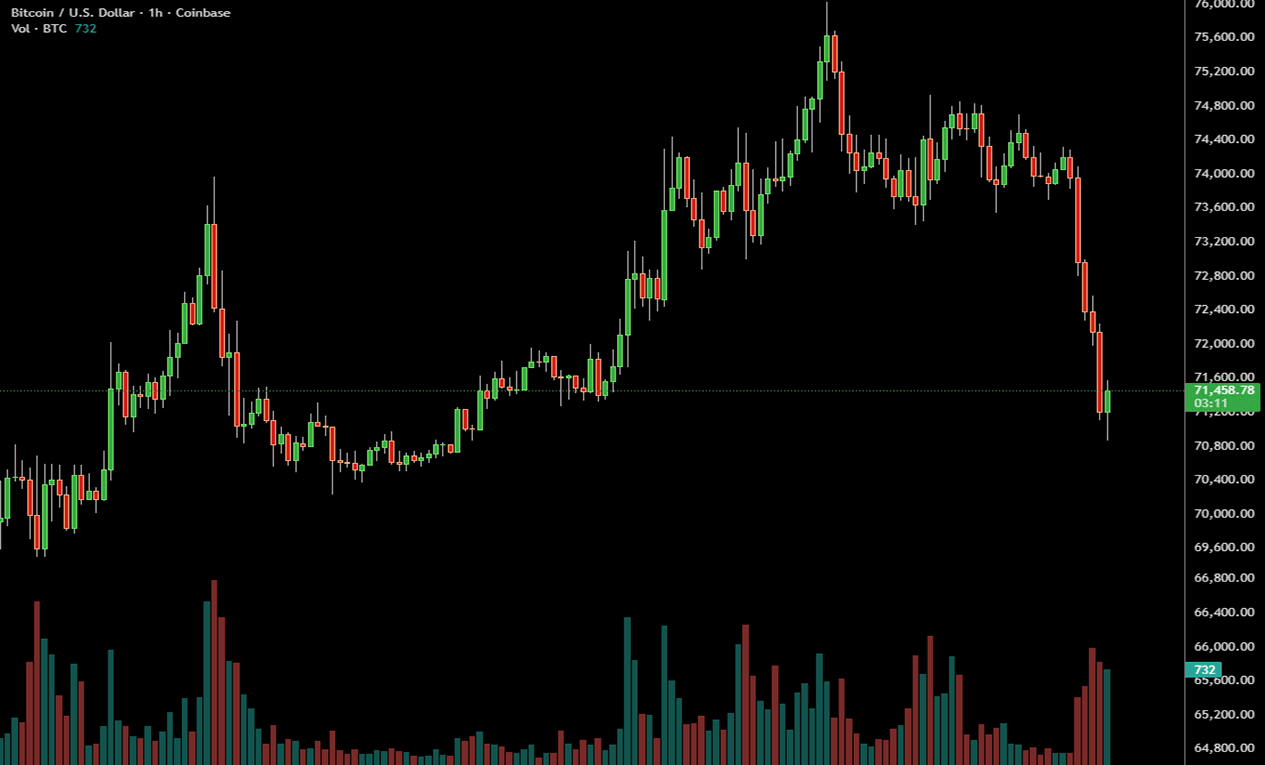
Participation indicators
What it is: Participation indicators ask whether the market is actually supporting a move with activity. They add a confirmation layer that can make breakouts and reversals easier to evaluate.
What it helps with: They help traders separate stronger moves from weaker price drift. Volume, OBV, MFI, VWAP, and order-flow style inputs can confirm whether traders are participating in the move.
One limitation: Participation does not replace direction or timing. A market can show activity without producing a clean setup, so traders still need trend and momentum context.
Indicator
Multi-Timeframe Context
What it is: Multi-timeframe analysis compares the same market across lower and higher timeframes so traders can see whether local setups align with broader structure.
What it helps with: It helps avoid overreacting to a strong-looking signal on one chart when higher timeframe direction, momentum, or volatility context says something different.
One limitation: Timeframes can conflict. That does not make the indicators wrong, but it does mean traders need a process for deciding which context matters most.
Framework
How the four indicator categories work together
A useful process is to assign each category one job. Trend indicators define direction. Momentum indicators test whether that direction has strength. Volatility indicators show whether the environment is expanding or compressing. Participation indicators confirm whether the move is attracting real activity.
That framework is more useful than collecting a random list of indicators because it reduces overlap. Traders can move from isolated readings to one structured market view. That is where a crypto consensus indicator and a multi-timeframe trading dashboard become practical.
Dashboard
How Consensus Engine helps
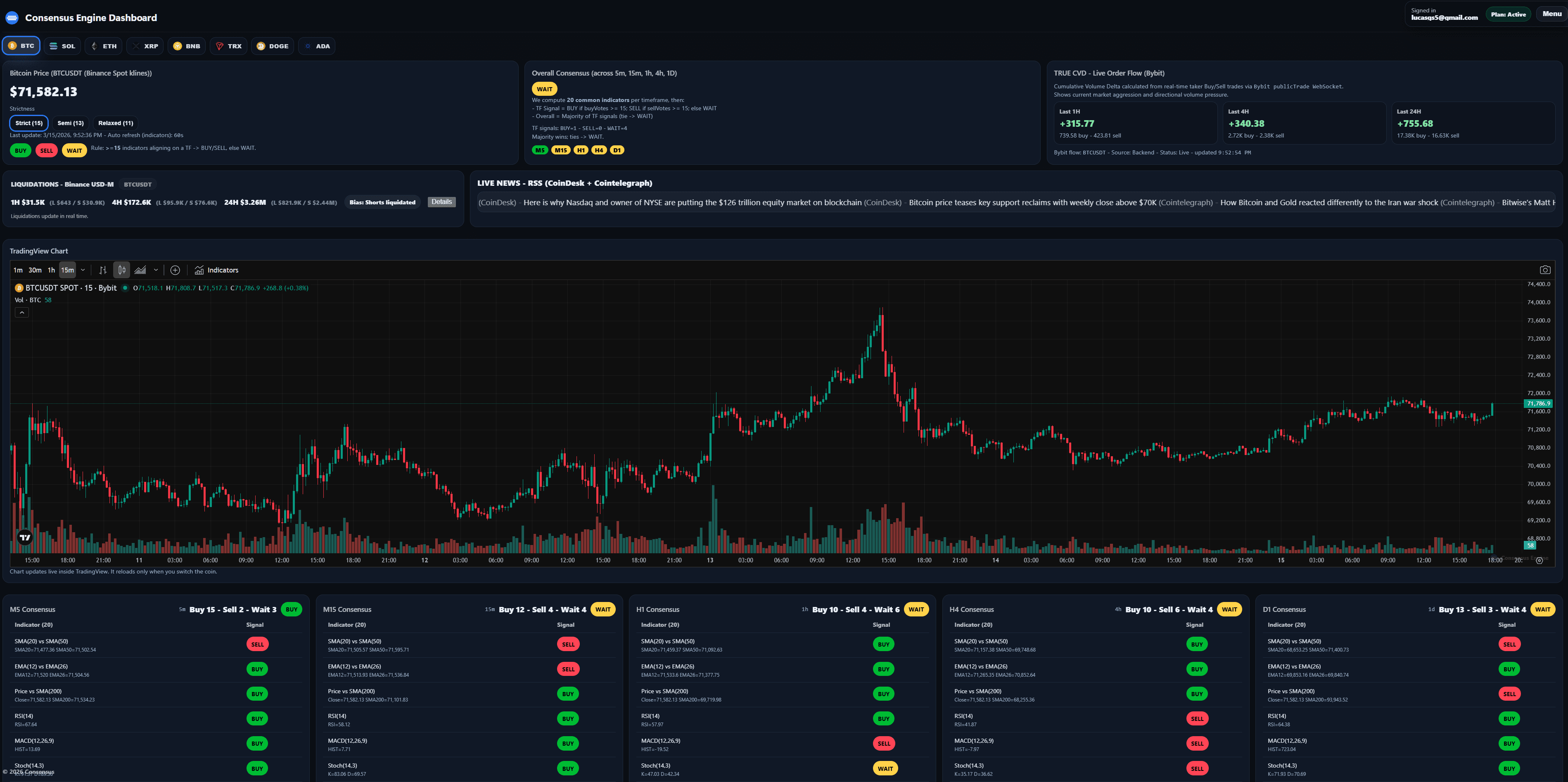
Consensus Engine is built around this exact problem. Instead of forcing traders to manually compare isolated signals, the dashboard organizes 20 indicators across 5 timeframes into one structured market view.
That makes it easier to evaluate alignment, participation, and context without jumping between multiple charts and separate tools. It is especially useful when trend, momentum, volatility, and participation need to be read together instead of reviewed one at a time.
20 indicators in one place
Consensus Engine keeps a broad signal set together so traders can compare trend, momentum, and confirmation without hopping between separate tools.
5 timeframe comparison
M5, M15, H1, H4, and D1 stay visible together, which helps traders compare short-term movement with broader structure.
Optional flow confirmation
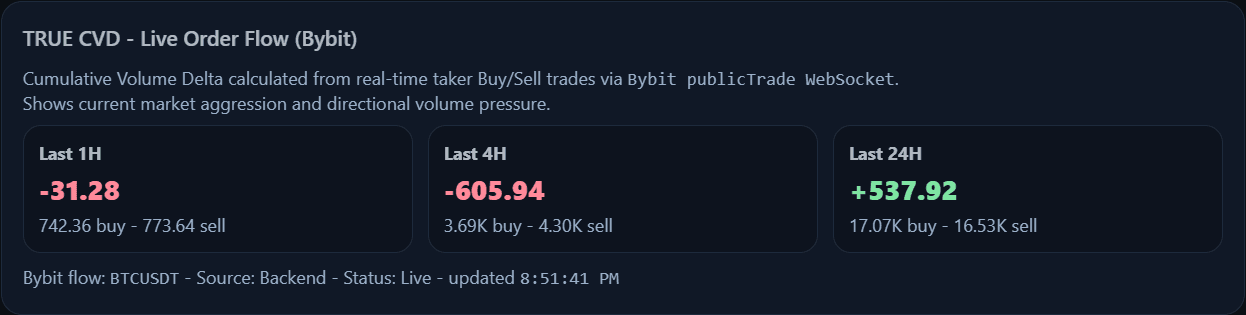
TRUE CVD adds a participation layer when traders want another read on whether the move is being supported by activity.
Visual
See how indicators become easier to read in one dashboard
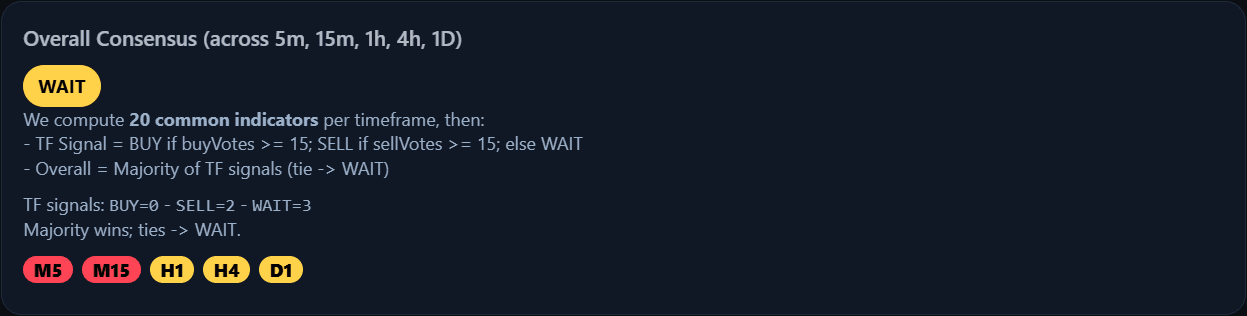
The consensus panel helps traders see whether multiple readings are aligned or still mixed.
The indicator panels make it easier to compare the underlying readings without checking each tool separately.
Optional flow confirmation adds another read on whether activity is supporting the move.
Compare
Compare popular indicators side by side
Traders often narrow their process by comparing two indicators directly before deciding how to use them together. These guides explain where the tools overlap, where they do not, and why context matters. If you want a list-style roundup first, use Best Crypto Trading Indicators.
Use the accuracy-focused guide if you want the clearest explanation of why context, confirmation, and timeframe alignment matter more than one perfect signal.
Explore how traders compare lower and higher timeframes together instead of relying on one chart alone.
Support
FAQ
What is the best crypto indicator?
There is no single best indicator for every condition. Different indicators help with trend, momentum, volatility, and confirmation, which is why many traders combine them.
Is RSI enough for crypto trading?
RSI can be useful for momentum analysis, but relying on one indicator alone often creates incomplete context.
Why do traders combine multiple indicators?
Combining indicators can help reduce noise and improve decision context when several signals support the same market view.
Can I preview the dashboard before subscribing?
Yes. The Quick Preview shows a limited blurred view with a short live preview of the selected crypto.
Next Step
Organize crypto indicators into one market view
Consensus Engine helps traders compare multiple indicators, multiple timeframes, and market context in one clean dashboard.