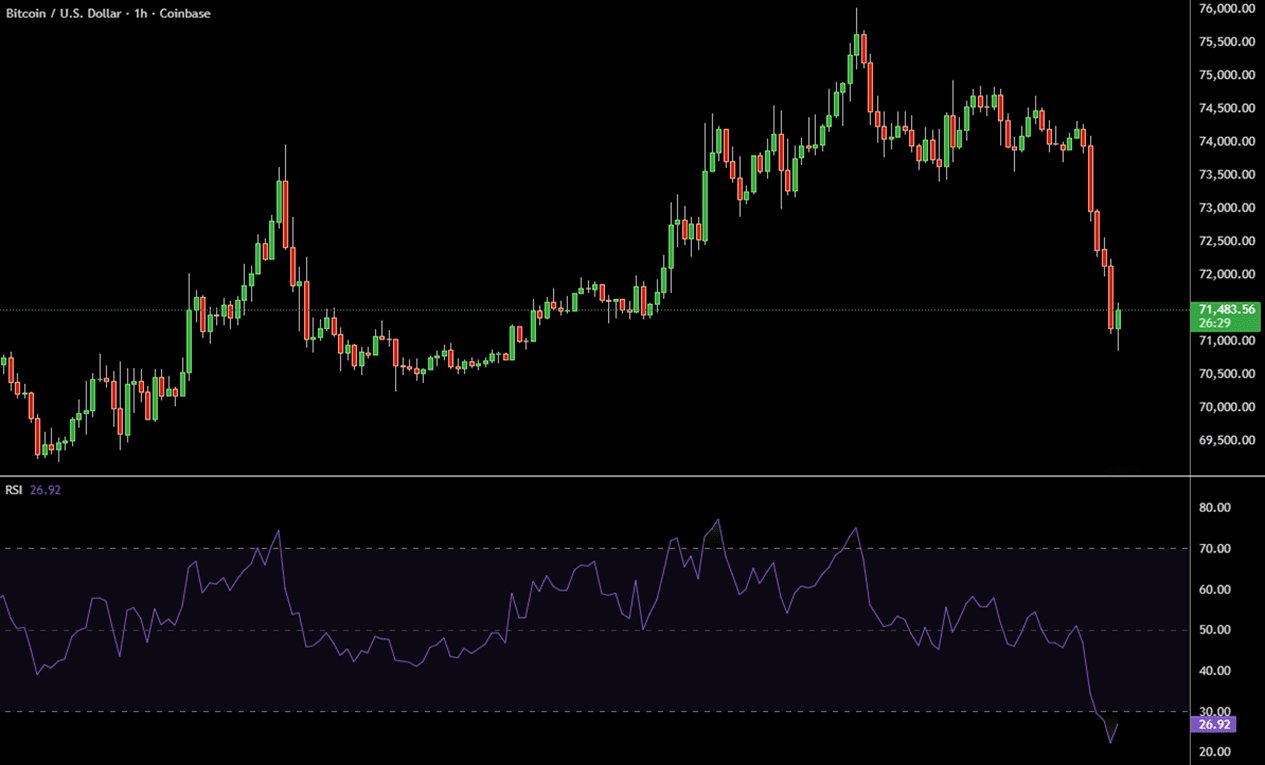
RSI
RSI helps traders measure momentum and spot when price may be stretched or losing strength.
 Consensus Engine
Crypto traders use technical indicators to analyze trend, momentum, volatility, and participation. This page is the actionable shortlist: the indicators traders most often use, what each one is good for, and where each fits in a working crypto trading process.
If you want the conceptual version first, read Best Crypto Indicators. For the broader indicator directory, go to Crypto Indicators.
Traders usually do not need dozens of indicators. A small set that covers direction, strength, volatility, and confirmation is easier to execute consistently.
RSI helps traders measure momentum and spot when price may be stretched or losing strength.
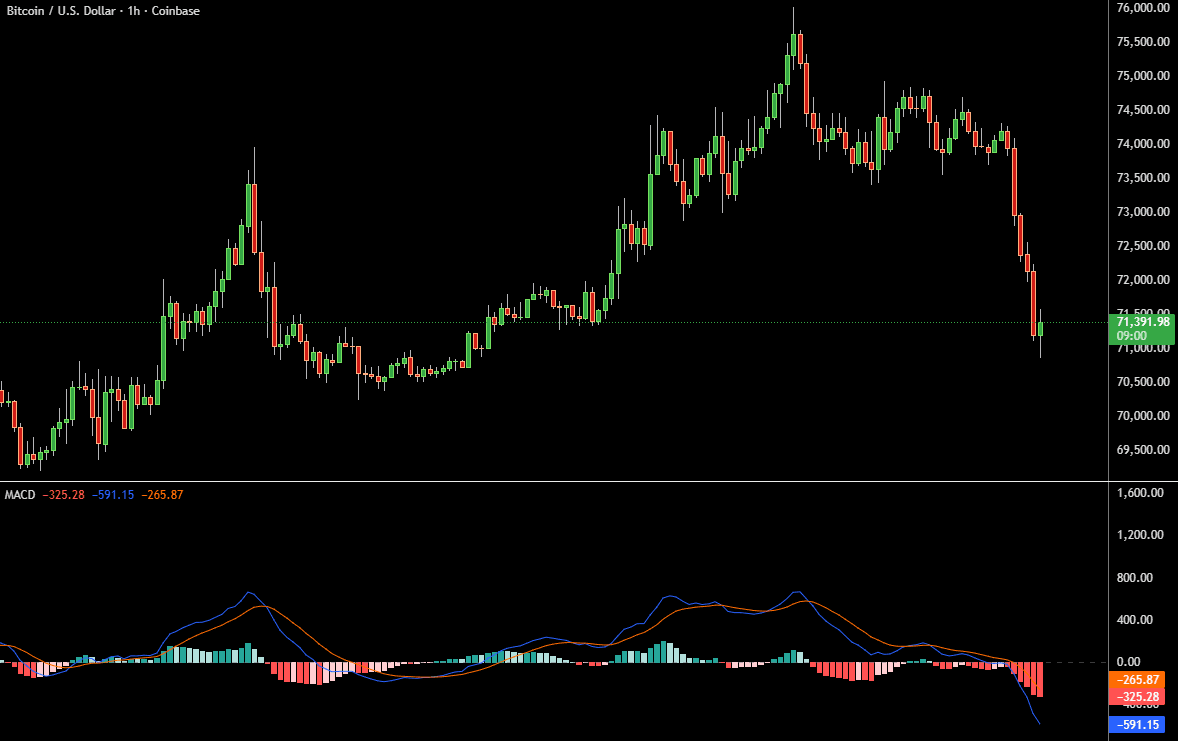
MACD highlights momentum shifts and possible trend transitions using moving average relationships.
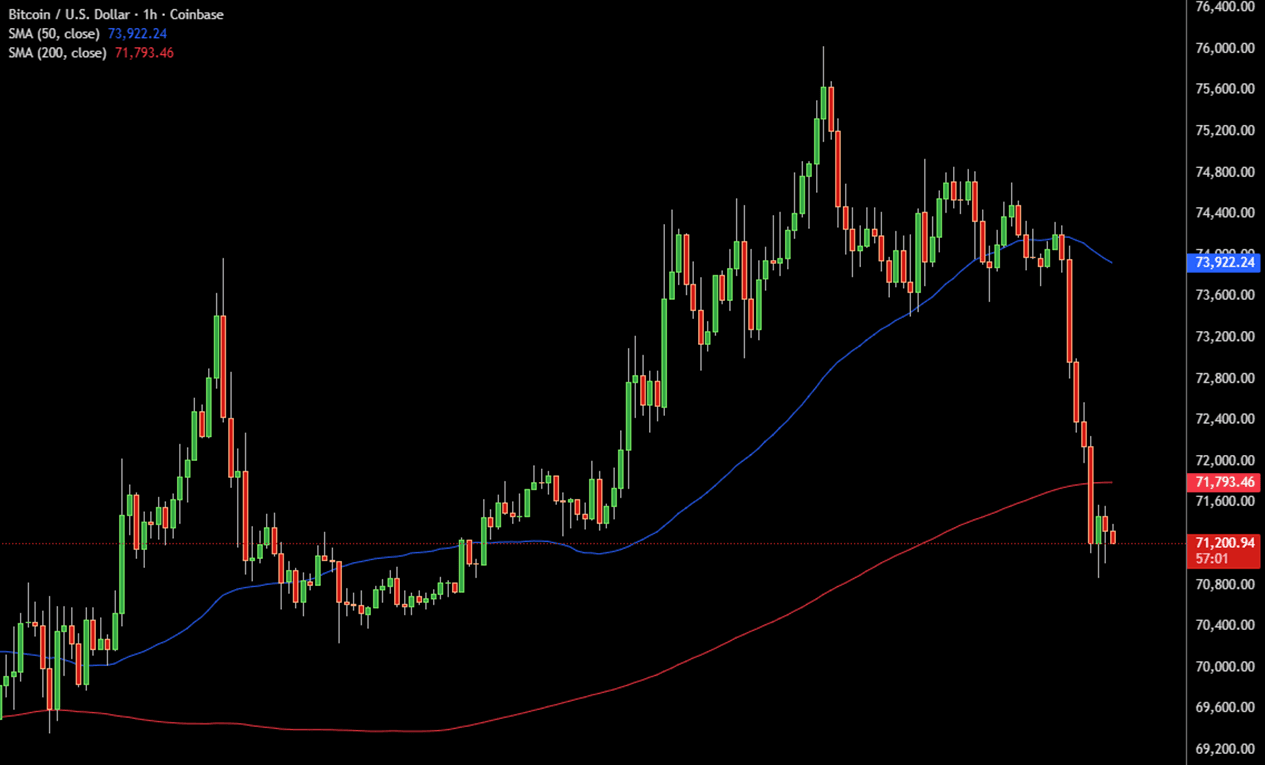
Moving averages smooth price action and help traders frame trend direction across timeframes.
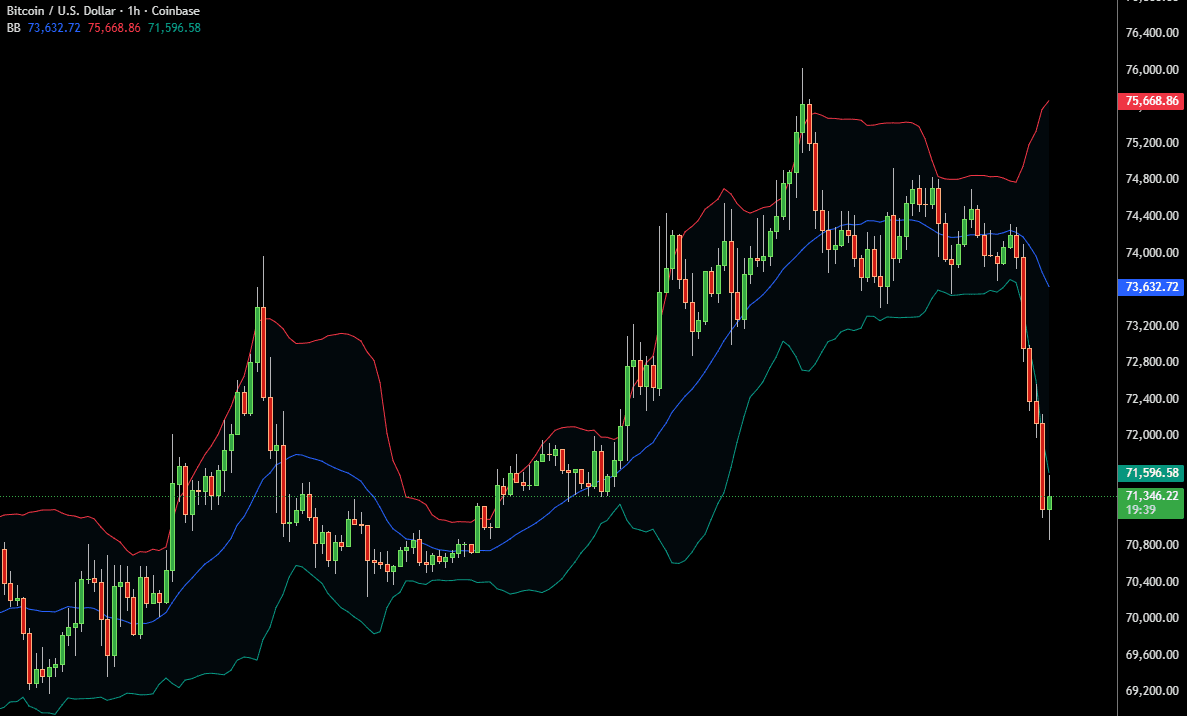
Bollinger Bands help traders read volatility expansion, contraction, and relative price extremes.
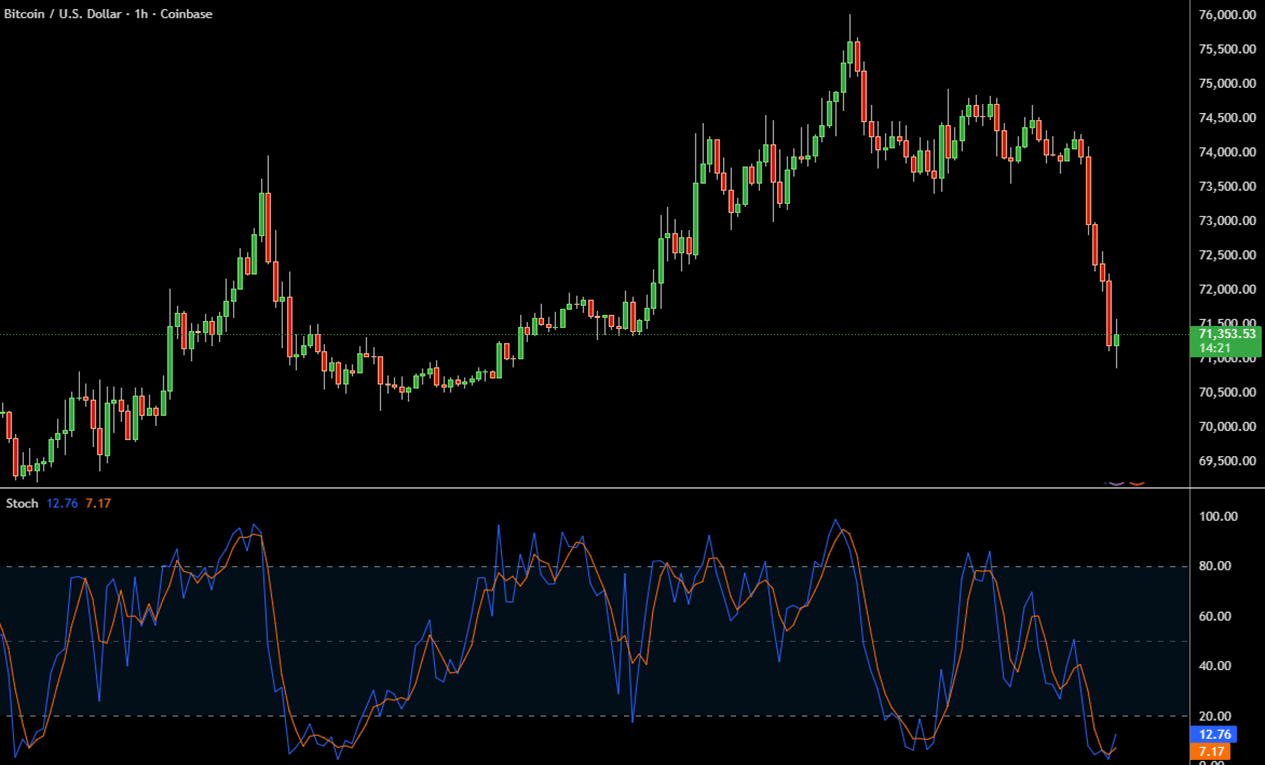
Stochastic RSI gives a faster view of short-term momentum swings and reversal conditions.
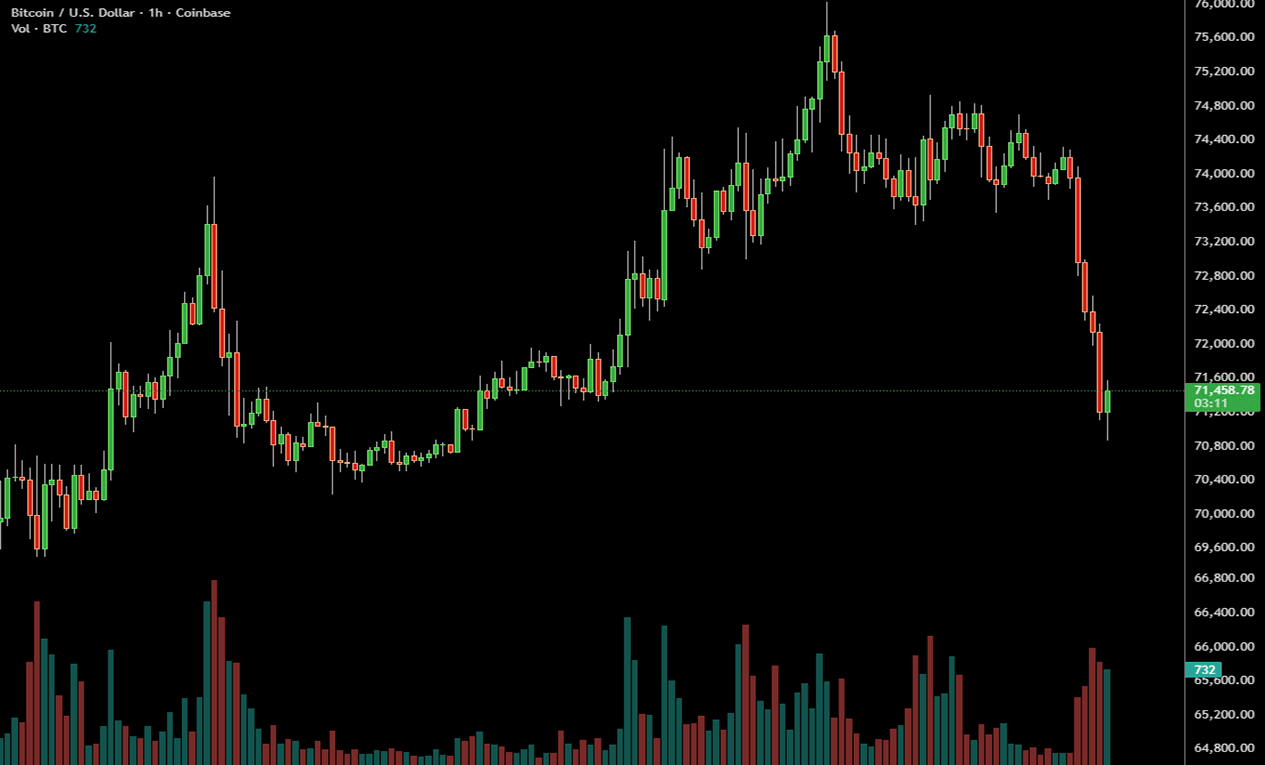
Volume helps confirm whether price movement is supported by real market participation.
Use moving averages, EMA, SMA, or Ichimoku when the main job is defining direction. These tools help traders decide whether the market is structurally bullish, bearish, or neutral before they look for entries.
Use RSI, MACD, or Stochastic RSI when you need to gauge speed and strength. These indicators help show whether price is still pushing in the same direction or starting to weaken.
Use Bollinger Bands or ATR when the goal is reading expansion, contraction, and trade environment. These tools can help traders frame breakouts, squeezes, and stop placement.
Use volume, OBV, MFI, or VWAP when you want another layer of confirmation behind the move. These indicators help test whether a breakout or continuation is supported by market participation.
Trend is often tracked with moving averages. Momentum is commonly measured with RSI and MACD. Volatility is often framed with Bollinger Bands. Participation is confirmed with volume.
Because each indicator category answers a different question, combining them improves confirmation. A trader can compare trend, momentum, volatility, and participation together instead of trusting one reading in isolation. For a deeper conceptual explanation of that framework, see Crypto Indicators.
Traders should not rely on a single indicator. A more complete market view usually comes from combining categories that measure different conditions.
Combining these categories helps traders confirm whether trend, momentum, volatility, and participation are aligned.
Instead of checking each indicator one by one, Consensus Engine aggregates multiple indicators across timeframes into one structured market view. That makes it easier to judge whether the broader signal set is aligned before acting.
Use the crypto indicator dashboard to compare direction, momentum, volatility, and confirmation without switching between separate charts and tools.
These comparison pages help when two indicators look similar on the surface but solve different trading problems.
Start with the simple shortlist if you want a smaller beginner-friendly set before comparing advanced use cases.
Compare momentum oscillation versus momentum crossover signals when choosing a confirmation tool.
See when traders prefer smoother momentum context versus a faster, more reactive oscillator.
Contrast a momentum-and-trend tool with a volatility framework used for expansion and compression.
Understand when directional trend context matters more than short-term momentum extremes.
There is no single best indicator for every crypto market condition. Traders usually combine tools such as moving averages for trend, RSI or MACD for momentum, Bollinger Bands for volatility, and volume for confirmation.
Yes. Using multiple indicators can improve confirmation because each one measures a different part of market behavior instead of relying on one isolated signal.
Not usually. RSI is useful for momentum, but it does not fully explain trend, volatility, or market participation on its own.